








What's Happening?
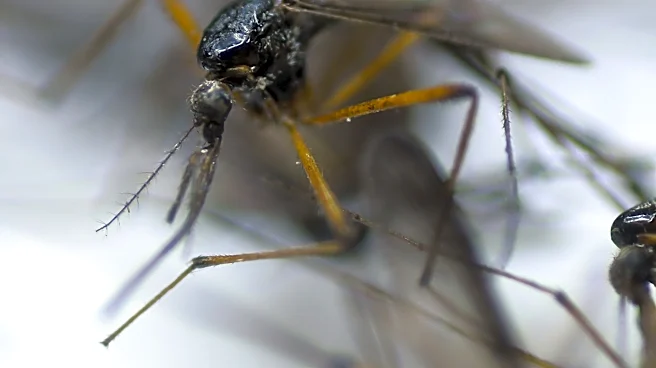
Charleston County officials are scheduled to conduct aerial spraying for adult mosquitoes early Sunday morning, from 6:15 a.m. to 8:15 a.m., in Charleston and West Ashley. This action follows the confirmation of human cases of West Nile virus within the county.
The county will use a federally-approved product called Trumpet EC, which contains Naled as its active ingredient, for the aerial application. A backup date is set for the following Sunday at the same time, with spraying conducted during early morning hours to minimize impact on bees and people. In addition to aerial spraying, Charleston County is increasing its truck-based spraying efforts around catch basins and areas identified with elevated mosquito populations. Brian Hayes, Charleston County’s mosquito control manager, emphasized that while West Nile virus is naturally present in the region, the number and location of detections can vary annually, necessitating targeted treatment based on surveillance data.
Why It's Important?
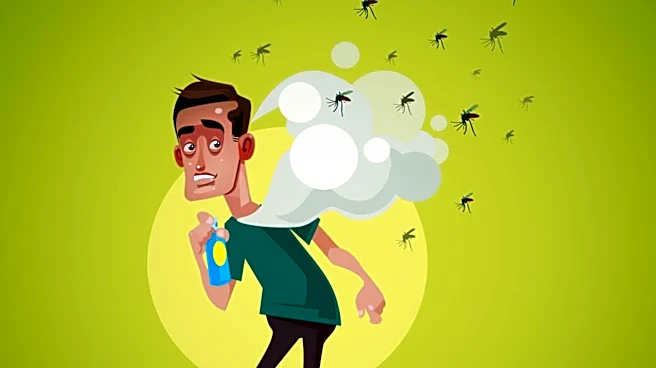
The county's decision to implement aerial and truck-based mosquito spraying is a critical public health measure aimed at controlling the spread of West Nile virus. The confirmation of human cases underscores the immediate health risk to residents, making mosquito population reduction a priority. West Nile virus can cause serious neurological illnesses, and effective mosquito control is essential to prevent further infections and protect vulnerable populations. The use of Trumpet EC, while federally approved, contains Naled, which is known to be toxic to fish, aquatic invertebrates, wildlife, and bees. This highlights a delicate balance between public health protection and environmental concerns, requiring careful timing and application to mitigate ecological impact. The increased surveillance and targeted treatment efforts demonstrate a proactive approach to managing mosquito-borne diseases, which is vital for maintaining public health and safety in the community. Residents are also encouraged to take personal precautions, such as draining standing water and using insect repellent, to complement the county's efforts.
What's Next?
Following the scheduled aerial spraying, Charleston County will likely continue its surveillance program to monitor mosquito populations and the prevalence of West Nile virus. The effectiveness of the spraying operations will be assessed, and further targeted treatments may be implemented if elevated mosquito activity or new human cases are detected. Public health officials will continue to educate residents on preventive measures, such as eliminating standing water sources around homes, avoiding outdoor activities during peak mosquito hours (dawn and dusk), and using appropriate insect repellents. The county may also explore alternative or supplementary mosquito control methods to minimize environmental impact while maintaining public health protection. Ongoing communication with the public regarding mosquito activity and safety recommendations will be crucial to ensure community engagement and compliance with preventive strategies. The long-term goal will be to establish sustainable mosquito management practices that effectively control disease vectors while safeguarding the local ecosystem.
Beyond the Headlines
The recurring need for mosquito control measures, such as aerial spraying, points to broader environmental and public health challenges. The presence of West Nile virus, a zoonotic disease, highlights the interconnectedness of human health, wildlife, and environmental factors. The use of pesticides like Naled, despite its effectiveness, raises ongoing debates about the long-term ecological consequences, particularly for non-target species like bees, which are vital for local ecosystems and agriculture. This situation underscores the need for integrated pest management strategies that combine chemical controls with biological, cultural, and physical methods to reduce reliance on broad-spectrum pesticides. Furthermore, climate change and urbanization can influence mosquito breeding patterns and the geographic spread of mosquito-borne diseases, suggesting that such public health interventions may become more frequent or widespread. Addressing these underlying factors through sustainable urban planning, wetland management, and public education will be critical for long-term disease prevention and environmental stewardship in the Charleston area.