




What's Happening?
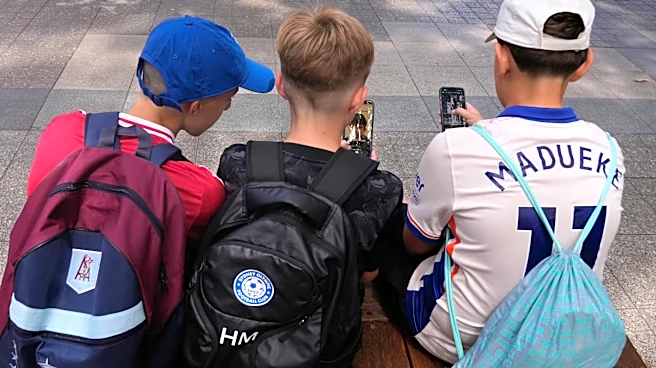
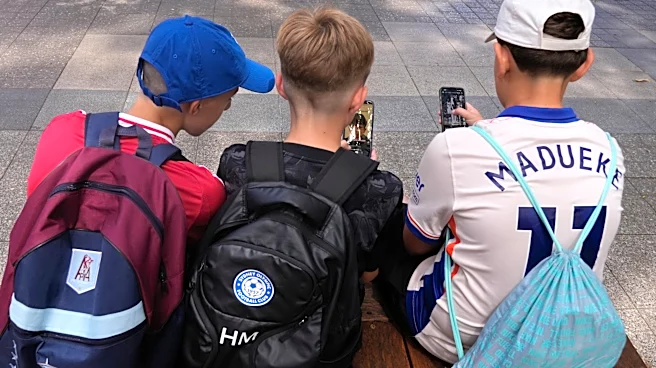
Australia's highest court is currently reviewing a world-first ban that prohibits children younger than 16 from holding social media accounts. Government lawyers argued before the High Court that the ban is essential to protect developing brains from the adverse
effects of social media. The ban, which took effect last year, targets platforms such as Reddit, Facebook, Instagram, Kick, Snapchat, Threads, TikTok, X, YouTube, and Twitch. The legal challenges against the ban were brought by Reddit, a U.S. online forum, and the Sydney-based rights group Digital Freedom Project. Government lawyer Joanna Davidson outlined seven risks to children, including addictive use, adverse sleep effects, depression, anxiety, suicidal ideation, exacerbation of disordered eating, and intensification of ADHD symptoms. The challengers contend that the ban infringes upon the implied right to freedom of political communication in Australia's constitution.
Why It's Important?
This legal battle in Australia has significant implications for the global debate surrounding social media regulation and child protection. If upheld, Australia's ban could set a precedent for other nations, including the U.S., grappling with similar concerns about the impact of social media on youth mental health and development. The case highlights the tension between protecting children from potential harm and upholding fundamental rights like freedom of speech and access to information. For U.S. social media companies, a successful ban in Australia could necessitate significant changes to their age verification processes and content moderation policies, potentially leading to increased operational costs and legal challenges in other jurisdictions. The outcome will influence how governments balance digital safety with constitutional freedoms in the digital age.
What's Next?
The High Court's verdict is expected to take several months. Regardless of the outcome, the debate around social media's impact on children is likely to intensify globally. If the ban is upheld, it could encourage other countries to explore similar legislative measures, potentially leading to a fragmented global regulatory landscape for social media platforms. If overturned, it might prompt governments to seek alternative strategies for child protection online, such as stricter content regulations or enhanced parental control tools. The Australian government has already acknowledged that the ban has not been as effective as hoped, with many young children circumventing age verification, and is considering strengthening the underlying laws. This suggests that even with a ban in place, enforcement and technological solutions remain a significant challenge.
Beyond the Headlines
The case delves into profound ethical and legal questions about digital citizenship and the evolving definition of childhood in the internet age. It forces a re-evaluation of the responsibilities of both technology companies and governments in safeguarding minors online. The argument that social media design features contribute to mental health issues in children raises questions about product liability and the need for ethical design in technology. Furthermore, the challenge based on freedom of political communication highlights the complex role social media plays in youth civic engagement and political discourse. The difficulty in implementing effective age verification without infringing on privacy concerns also points to a broader technological and societal dilemma that extends beyond Australia's borders, impacting how digital identities are managed and verified globally.