
What's Happening?
The Trump administration has announced a new regulation that could revoke the tax-exempt status of educational institutions, including secondary schools and universities, if they offer financial support
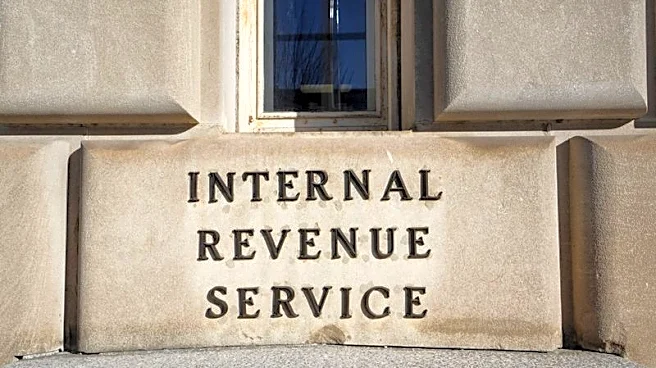
specifically to Black and other minority students. The administration argues that scholarships and programs designed to address the disenfranchisement of marginalized communities are discriminatory against white and Asian students. According to The New York Times, the Internal Revenue Service (IRS) would be tasked with enforcing this new ruling, denying tax-exempt status to any school found to have policies or programs deemed racially discriminatory. This move is framed by the administration as protecting Asian students, but critics argue it pits minority communities against each other and ignores the diverse histories and barriers that shape access to higher education for different groups.
Why It's Important?
This proposed regulation by the Trump administration carries profound implications for higher education, racial equity, and the legal landscape surrounding affirmative action in the United States. Stripping tax-exempt status from schools that provide minority-specific aid could severely undermine efforts to promote diversity and inclusion in educational institutions, potentially leading to a significant reduction in Black, Latino, and other underrepresented minority students in colleges and universities. This policy could exacerbate existing educational disparities and roll back decades of progress aimed at addressing historical inequalities. For institutions, it creates a difficult choice between maintaining diversity initiatives and retaining crucial tax benefits. The use of the IRS as an enforcement mechanism also raises concerns about the politicization of a federal agency and its role in shaping social policy. This action could ignite widespread protests, legal challenges, and a national debate on the role of race in admissions and financial aid.
What's Next?
The proposed regulation will likely face significant opposition from civil rights organizations, educational institutions, and Democratic lawmakers. It is expected to trigger a wave of legal challenges, as opponents argue that such a policy is discriminatory and undermines the mission of promoting diversity. Schools may need to re-evaluate their existing financial aid and admissions programs to comply with the new ruling or risk losing their tax-exempt status, which could have devastating financial consequences. The debate will likely intensify as the regulation moves through the administrative process, potentially involving public comment periods and further legal scrutiny. The long-term impact could be a significant shift in how diversity is pursued and funded in U.S. education, with potential ripple effects on workforce diversity and social mobility.
Beyond the Headlines
This policy initiative delves into the complex and often contentious issue of race, merit, and opportunity in American society. By framing minority-specific aid as discriminatory against white and Asian students, the administration taps into a narrative that suggests a zero-sum game for educational access, where gains for one group come at the expense of another. This approach overlooks the systemic and historical disadvantages faced by many Black and Latino communities, as well as the internal diversity within the Asian American community. The move could further polarize discussions on race and education, potentially fueling resentment and division among different ethnic groups. Ethically, it raises questions about the government's role in shaping educational equity and whether policies should aim to level the playing field for historically disadvantaged groups. Legally, it challenges established precedents and interpretations of anti-discrimination laws, potentially leading to landmark court cases that redefine the boundaries of affirmative action and diversity initiatives.