





What's Happening?
Homeowners in Texas navigate a complex insurance landscape, particularly due to the state's susceptibility to severe weather events like storms and floods. While Texas law does not mandate homeowners insurance, lenders typically require it for mortgaged
properties. A significant challenge is that most standard homeowners policies in Texas exclude coverage for flood damage, and properties in coastal areas or Harris County on Galveston Bay may also lack wind and hail coverage. To address these gaps, residents in coastal regions might need to obtain wind and hail coverage from the Texas Windstorm Insurance Association (TWIA), and separate flood insurance, often through the National Flood Insurance Program (NFIP), is crucial. Insurers like State Farm, Allstate, USAA, Farmers, and Travelers offer various policies with add-ons and discounts, but homeowners must carefully review exclusions related to storm and flood damage.
Why It's Important?
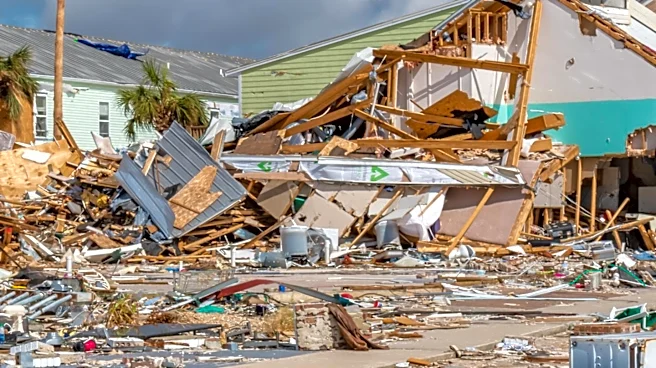
The unique insurance challenges in Texas have profound implications for homeowners' financial security and the state's economy. The exclusion of flood and sometimes wind/hail damage from standard policies means that many residents are vulnerable to catastrophic losses from natural disasters, which are increasingly frequent. This situation can lead to significant out-of-pocket expenses for repairs and rebuilding, potentially causing financial ruin for uninsured or underinsured homeowners. For the insurance industry, managing risk in a storm-prone state like Texas requires careful underwriting and product development, influencing premium costs and the availability of certain coverages. The need for multiple, specialized policies (standard homeowners, TWIA, NFIP) adds complexity and cost for consumers, underscoring the critical importance of understanding policy details and securing comprehensive protection against the specific risks prevalent in Texas.
What's Next?
Texas homeowners are advised to proactively assess their insurance needs, especially concerning storm and flood risks, and not rely solely on standard policies. This includes inquiring about specific exclusions, considering additional coverage from entities like TWIA and NFIP, and exploring discounts for storm-resistant upgrades. Insurers will likely continue to adapt their offerings to the evolving climate risks, potentially leading to new policy structures or increased emphasis on risk mitigation incentives. The state's regulatory bodies may also face pressure to review and potentially adjust insurance requirements or support mechanisms to better protect homeowners from the financial impacts of natural disasters. Homeowners should compare quotes annually and engage with agents to ensure their coverage remains adequate and cost-effective.
Beyond the Headlines
The Texas insurance situation highlights a broader national issue concerning the impact of climate change on property insurance markets. As extreme weather events become more common and severe, the traditional model of homeowners insurance is being strained, leading to coverage gaps, rising premiums, and increased reliance on government-backed programs like NFIP. This raises questions about the long-term sustainability of private insurance in high-risk areas and the role of public policy in mitigating climate-related financial risks. The cultural dimension involves a growing awareness among homeowners about climate resilience and the need to invest in protective measures for their properties. The legal and ethical considerations include ensuring equitable access to affordable insurance for all residents, particularly those in vulnerable communities, and preventing a two-tiered system where only the wealthy can afford comprehensive protection against natural disasters.