






What's Happening?
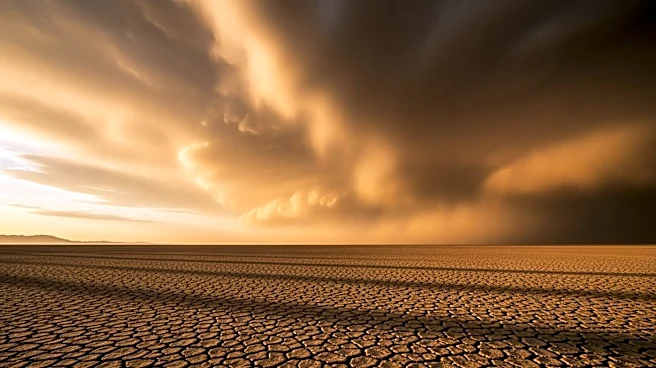
The Coachella Valley Music and Arts Festival was disrupted by a severe dust storm, leading to the cancellation of performances and raising health concerns among attendees. The South Coast Air District issued dust advisories, warning of unhealthy air quality
levels. This event is part of a broader trend of increasing dust storms in the region, which have significant economic and environmental impacts. A recent study estimated that dust storms cost the U.S. over $154 billion in 2017, affecting health, agriculture, and renewable energy production.
Why It's Important?
The increasing frequency and intensity of dust storms pose a significant threat to public health and the economy. They can lead to respiratory illnesses, reduce agricultural productivity, and damage infrastructure. The disruption of major events like Coachella also highlights the economic impact on tourism and local businesses. This situation underscores the need for effective dust mitigation strategies and policies to protect communities and industries from the adverse effects of dust storms.
What's Next?
Environmental experts suggest implementing dust mitigation measures, such as windbreaks and vegetation planting, to reduce the impact of dust storms. There is also a need for increased public awareness and preparedness to minimize health risks. As climate change continues to exacerbate these conditions, policymakers may need to invest in research and infrastructure to address the root causes and mitigate future impacts.
Beyond the Headlines
The dust storms at Coachella reflect broader environmental challenges related to climate change and land management. They highlight the need for sustainable practices and policies to address the underlying causes of dust storms. The situation also raises questions about the long-term viability of hosting large-scale events in vulnerable areas and the role of technology in monitoring and mitigating environmental hazards.