







What's Happening?
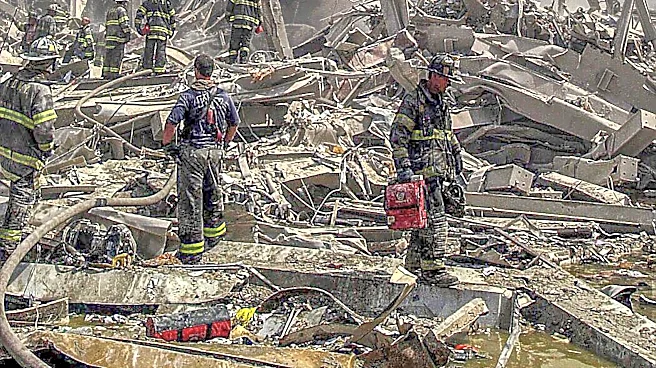
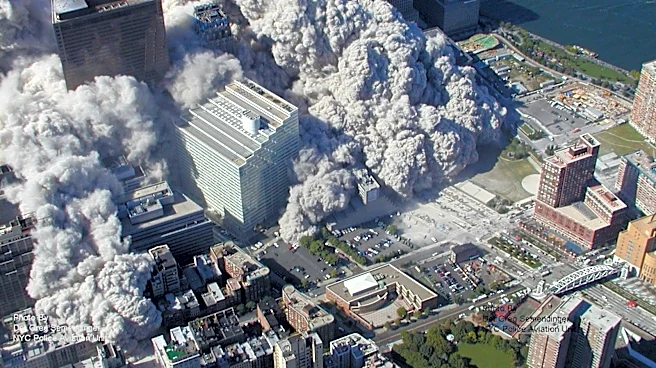
Twenty-five years after the 9/11 attacks, first responders are increasingly being diagnosed with dementia, prompting a push for the condition to be covered by the World Trade Center Health Program. Researchers believe there is a connection between exposure
to toxins at Ground Zero and the emerging health crisis of dementia among these individuals. Currently, dementia is not among the conditions recognized for coverage under the program. NBC News’ Tom Llamas reported on this issue as part of the series “The Cost of Denial,” highlighting the challenges faced by those who served at Ground Zero and are now experiencing these severe cognitive impairments. The advocacy aims to expand the scope of the health program to include dementia, acknowledging the long-term health consequences of their service.
Why It's Important?
This development is important as it highlights the long-term and evolving health challenges faced by 9/11 first responders, extending beyond previously recognized conditions. The potential inclusion of dementia in the World Trade Center Health Program would provide crucial medical and financial support to a growing number of individuals who are experiencing severe cognitive decline attributed to their exposure at Ground Zero. This could set a precedent for how long-term, delayed health impacts from environmental disasters or hazardous work are recognized and compensated. It also underscores the ongoing need for comprehensive support systems for those who risked their lives in national emergencies, ensuring that their sacrifices are not forgotten and their health needs are adequately addressed. The outcome of this advocacy could influence future policies regarding occupational health and disaster response.
What's Next?
The immediate next step involves continued advocacy and lobbying efforts by 9/11 first responders and their supporters to persuade policymakers and health authorities to amend the World Trade Center Health Program to include dementia. This will likely involve presenting further research and medical evidence linking Ground Zero exposure to cognitive decline. Stakeholders, including medical experts, advocacy groups, and potentially legal teams, will need to collaborate to build a compelling case for this expansion. The decision will ultimately rest with the federal government and the administrators of the health program, who will need to evaluate the scientific evidence and the financial implications of such an expansion. Public awareness campaigns may also play a role in garnering support for the cause.
Beyond the Headlines
Beyond the immediate need for healthcare coverage, this situation raises deeper questions about the long-term societal responsibility towards individuals who serve in national emergencies. It highlights the often-delayed and complex health consequences that can arise years, or even decades, after initial exposure to hazardous environments. The ethical dimension involves ensuring that the sacrifices made by first responders are met with comprehensive and evolving support, rather than a static list of covered conditions. This case could influence how future disaster response protocols are designed, emphasizing the need for long-term health monitoring and flexible healthcare programs. It also underscores the ongoing scientific challenge of understanding and proving causal links between environmental exposures and chronic, degenerative conditions, which can be crucial for policy changes.