What's Happening?
Japanese stock indexes reached unprecedented levels as speculation mounts that Prime Minister Sanae Takaichi may call a snap election, potentially in February. This would mark Takaichi's first electoral
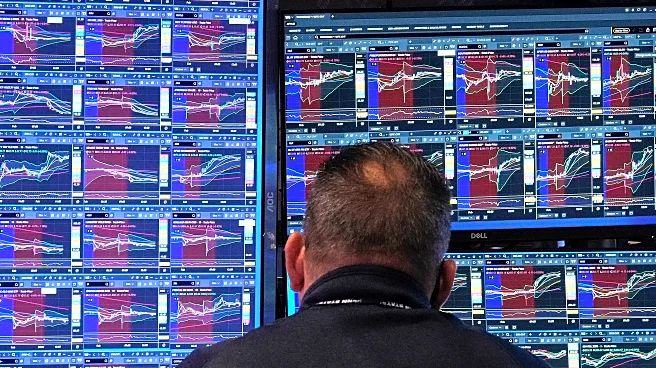
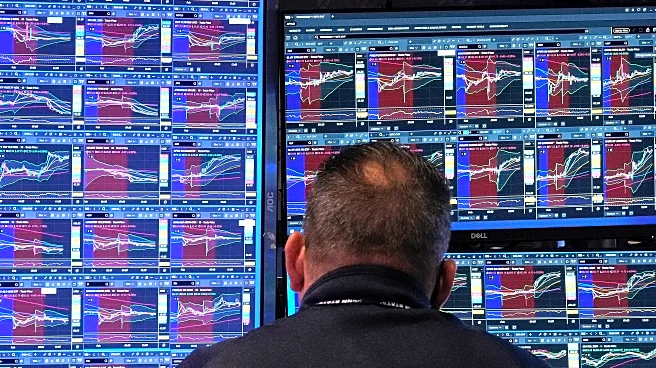
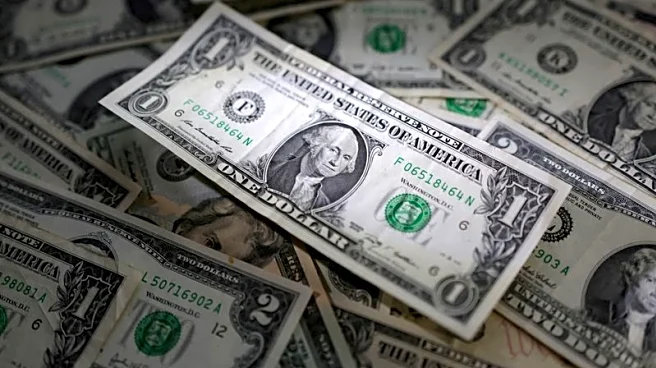
test since assuming office. The Nikkei 225 index rose by 1.61%, surpassing the 54,000 mark for the first time, following a 3% increase the previous day. The Topix index also achieved new highs, gaining 0.87%. The market's optimism is partly driven by Takaichi's support for looser monetary policies and a substantial economic stimulus package, which are perceived as beneficial for the financial markets. Concurrently, the Japanese yen weakened past 159 against the dollar, its lowest since July 2024, when authorities last intervened to stabilize the currency.
Why It's Important?
The surge in Japanese stock markets reflects investor confidence in the potential economic policies of Prime Minister Takaichi, particularly her commitment to monetary easing and fiscal stimulus. These measures are expected to bolster economic growth and market stability, attracting both domestic and international investors. The weakening yen, while a concern for import costs, could enhance the competitiveness of Japanese exports, further stimulating economic activity. The prospect of a snap election introduces political uncertainty, but it also offers an opportunity for Takaichi to solidify her mandate, potentially leading to more decisive economic reforms. The developments in Japan's financial markets could have ripple effects on global markets, influencing investment strategies and economic forecasts.
What's Next?
If Prime Minister Takaichi proceeds with calling a snap election, it will set the stage for a significant political event in Japan. The election outcome could either reinforce or challenge her economic agenda, impacting market sentiment and policy direction. Investors will closely monitor the election timeline and campaign developments, as these will provide insights into potential shifts in economic policy. Additionally, the continued depreciation of the yen may prompt further intervention by Japanese authorities to prevent excessive volatility. Global investors will also watch for any changes in Japan's trade and foreign policy that could arise from the election results.