





What's Happening?
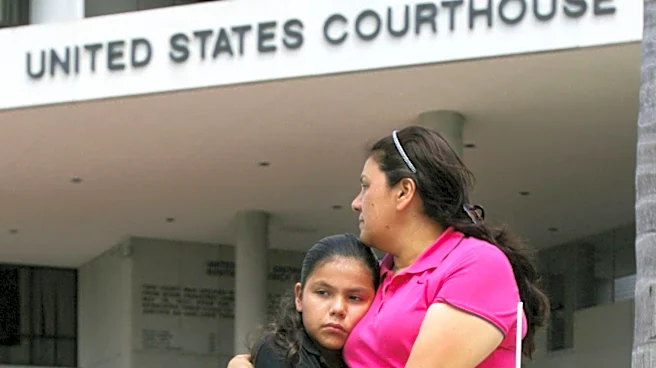
U.S. District Court of Montana Judge Brian Morris has ordered the release of Adrián Espinoza De La Cruz and his 9-year-old child, who were detained by U.S. Customs and Border Patrol (CBP) in Havre, Montana. The father and child were arrested on August
11 without a warrant and subsequently held at the Havre Border Patrol Station. Judge Morris deemed their detainment "disturbing" and a violation of their constitutional rights. The U.S. Attorney's Office acknowledged the initial arrest was warrantless but stated a warrant was issued after the fact, arguing the individuals were in the U.S. without legal permission. However, the judge emphasized that the government cannot arbitrarily arrest and detain individuals without proper justification and process. The court noted the child's special medical needs for a gastrointestinal issue and raised concerns about the conditions at the Havre facility, which allegedly lacked proper bedding and basic amenities for long-term detention. Upper Seven Law, representing De La Cruz and his child, filed for their immediate release, asserting the arrest was unlawful.
Why It's Important?
This ruling underscores critical constitutional protections against unlawful detainment and highlights ongoing scrutiny of U.S. immigration enforcement practices. The judge's strong language, describing the detainment as "disturbing" and criticizing the government's "lack of regard for the rights of a father and minor child," signals a judicial pushback against what is perceived as overreach by federal agencies. It reinforces the principle that even non-citizens are afforded constitutional rights, including due process, and that the government must adhere to legal procedures, such as issuing warrants prior to arrest or demonstrating flight risk and danger to the community for detention. The case also brings attention to the conditions within border patrol facilities, particularly when minors and individuals with medical needs are involved, potentially prompting further examination of detention standards and practices across the country. This decision could influence future legal challenges to immigration detentions and potentially lead to policy adjustments within CBP and other immigration enforcement agencies.
What's Next?
Judge Morris has ordered the release of Adrián Espinoza De La Cruz and his child within 24 hours, under appropriate conditions, and mandated the return of their personal property, including identification and employment authorization documents. The order also prohibits their redetainment during current removal proceedings until an immigration hearing determines if detention is appropriate. This suggests that while they are released from immediate custody, their immigration status and potential removal proceedings will continue through the legal system. The attorneys for the plaintiffs may pursue attorneys' fees and costs. This case is part of a potential class-action lawsuit, which includes another individual, Jesus Verde Hernandez, who was also released after being unlawfully detained. A hearing for the broader class-action case, which alleges illegal detentions in Cascade County jail and other locations in Montana, is scheduled for September 4. This ruling could set a precedent for similar cases involving warrantless arrests and detentions by immigration authorities.
Beyond the Headlines
This case delves into the fundamental tension between national security interests and individual liberties, particularly within the context of immigration enforcement. The judge's assertion that the government does not have a "free-ranging ability to arrest and detain people, and figure out the reasons later" challenges a potentially broad interpretation of executive power in immigration matters. It highlights the ethical and legal complexities of detaining families, especially those with vulnerable members like children with medical conditions, and raises questions about the humanitarian responsibilities of the state. The ruling could contribute to a broader legal discourse on the scope of constitutional protections for non-citizens within U.S. borders and the accountability of federal agencies. Furthermore, the mention of a potential class-action case suggests a systemic issue, indicating that this incident may not be isolated but rather indicative of a pattern of alleged constitutional violations in immigration enforcement across Montana and potentially beyond.