
What's Happening?
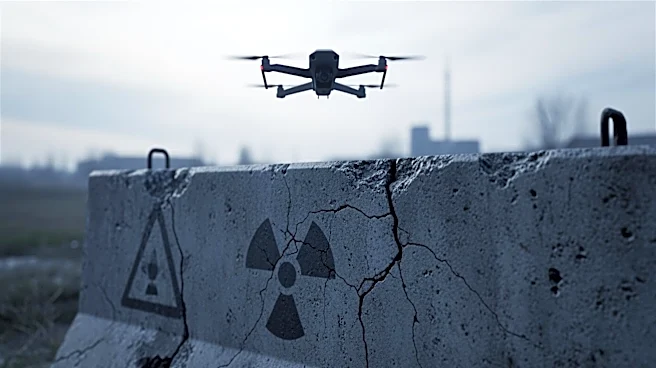
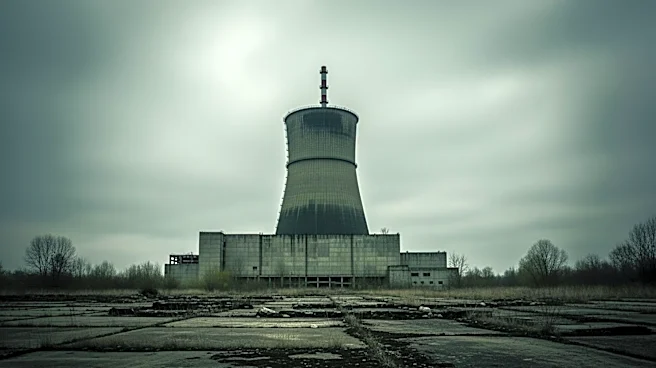
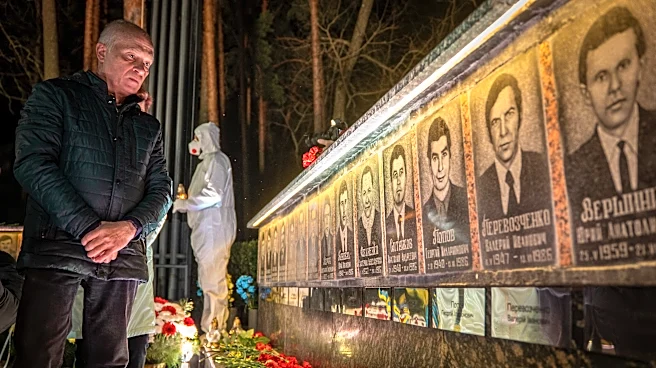
Ukrainian President Volodymyr Zelensky marked the 40th anniversary of the Chernobyl disaster by warning of the risks posed by Russian military actions near the nuclear plant. Recent strikes across Ukraine and Russian-occupied territories have resulted
in at least 16 deaths. Ukrainian forces have targeted Russian oil facilities, while Russian strikes have hit Ukrainian cities, including Dnipro. The International Atomic Energy Agency has expressed concerns about the safety of the Chernobyl site, urging immediate repairs to its protective structures. The ongoing conflict raises fears of a potential nuclear incident.
Why It's Important?
The situation underscores the heightened risk of nuclear accidents in conflict zones, particularly around sensitive sites like Chernobyl. The potential for a nuclear disaster could have catastrophic consequences not only for Ukraine but also for neighboring countries and the broader international community. The conflict highlights the need for international diplomatic efforts to prevent further escalation and ensure the safety of nuclear facilities. The involvement of international bodies like the IAEA emphasizes the global stakes in maintaining nuclear safety standards.
What's Next?
The international community may increase pressure on Russia to cease military operations near nuclear sites. Diplomatic efforts could focus on establishing safety zones around such facilities to prevent accidental damage. The IAEA and other international organizations might play a more active role in monitoring and securing nuclear sites in conflict areas. The situation could also influence global nuclear policy discussions, emphasizing the importance of safeguarding nuclear materials and infrastructure in war zones.