







What's Happening?
Italy's tourism economy is experiencing substantial growth, with the Ministry of Tourism reporting over €4 billion allocated to strengthen the sector under Prime Minister Giorgia Meloni's government. This investment aims to improve accommodation and services,
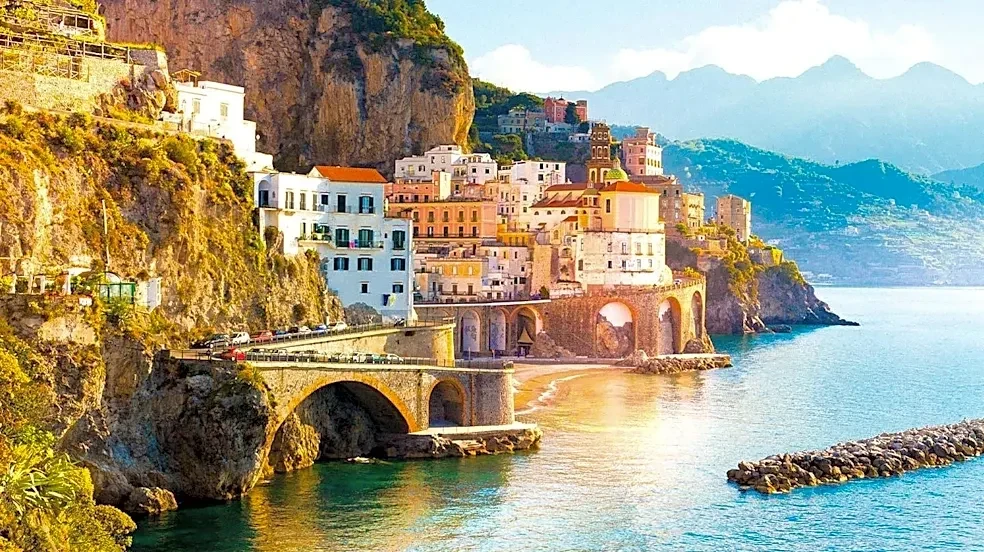
and support digital and environmental upgrades. The review highlights 160.7 million arrivals and 535.5 million overnight stays in 2025, with a projected 523.7 million overnight stays in the first nine months of 2026, marking a 4.7% increase over the same period in 2025. Notably, the 2025 figures include, for the first time, overnight stays in privately managed, non-business accommodations, providing a more comprehensive picture of hospitality. The government's strategy focuses on diversifying tourism beyond well-known cities to include mountain communities, historic villages, and UNESCO sites, aiming for a more balanced seasonal distribution of visitors and broader economic benefits across the country. International visitors contributed €57 billion in spending, resulting in a positive tourism balance of €22.7 billion.
Why It's Important?
The expansion of Italy's tourism sector is crucial for its national economy, contributing an estimated 13% of GDP when broader economic effects are included, and employing over 3.3 million people. The strategic shift to promote tourism in less-visited areas aims to distribute economic benefits more widely, supporting local businesses and communities that have historically been overlooked. This diversification also addresses the challenge of over-tourism in popular destinations, promoting sustainable growth. Investments in infrastructure, such as camper facilities and digital services, are designed to enhance the visitor experience and make Italy more accessible. Furthermore, initiatives like preferential tax treatment for tips, support for night and holiday work, and a €120 million plan for staff housing are intended to improve the attractiveness of tourism employment, addressing workforce challenges in a sector vital to the country's identity and economy.
What's Next?
The Italian government's Tourism Strategic Plan for 2023–2027 will continue to guide future developments, prioritizing quality, diversification, and a more balanced seasonal distribution of visitors. Further investments are expected to be directed towards mountain destinations, UNESCO sites, walking routes, and sustainability initiatives to broaden available experiences and encourage year-round travel. The ongoing reform of the tourist-guide profession and the expansion of digital infrastructure, including the Tourism Digital Hub and the national portal Italia.it, will aim to connect destinations and businesses with potential visitors more effectively. Efforts to enhance market transparency through the registration of accommodation properties and the issuance of national identification codes will also continue, supporting oversight and improving the identification of available lodging. These measures are designed to ensure that strong visitor demand translates into long-term value for Italy's economy and its communities.
Beyond the Headlines
The strategic focus on expanding tourism beyond traditional hotspots reflects a broader understanding of sustainable economic development and cultural preservation. By investing in smaller communities and less-traveled regions, Italy is not only seeking to alleviate pressure on its iconic cities but also to revitalize rural areas and preserve local heritage. This approach could lead to a more authentic and diverse tourist experience, encouraging visitors to explore the rich tapestry of Italian culture beyond its most famous landmarks. The emphasis on improving working conditions and housing for tourism sector employees also highlights a growing recognition of the social impact of the industry, aiming to create a more equitable and sustainable employment environment. This holistic strategy suggests a long-term vision for tourism that balances economic prosperity with environmental and social responsibility, potentially setting a precedent for other nations facing similar challenges.