




What's Happening?
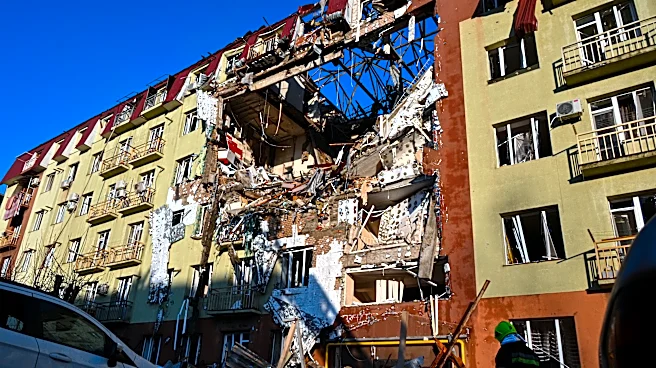
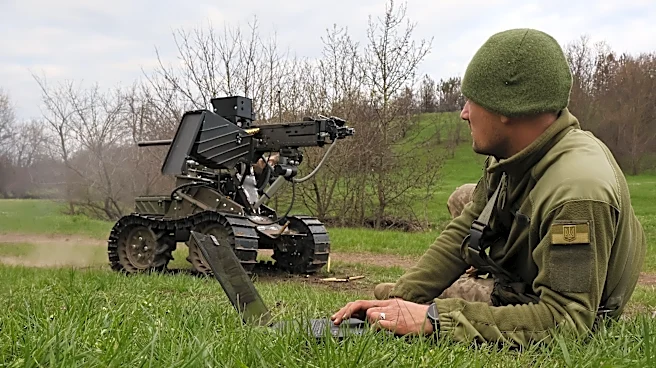
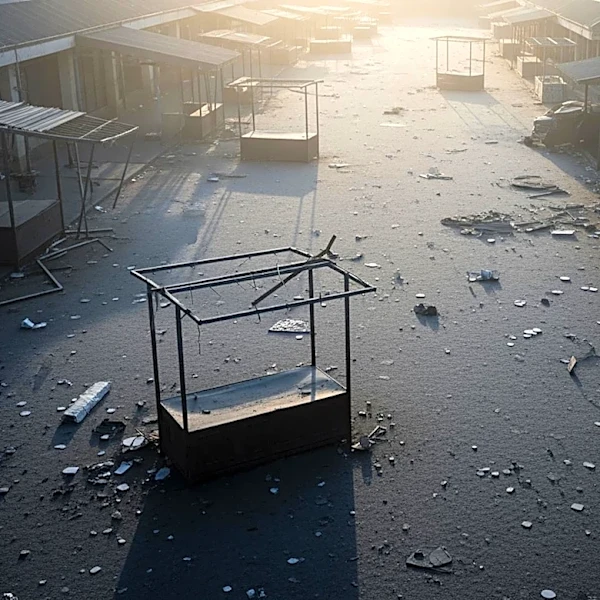
Ukraine and Russia have accused each other of violating a ceasefire intended to mark Orthodox Easter, with both sides reporting multiple breaches. Ukraine's military reported 469 ceasefire violations by Russian forces, including assault actions, shelling,
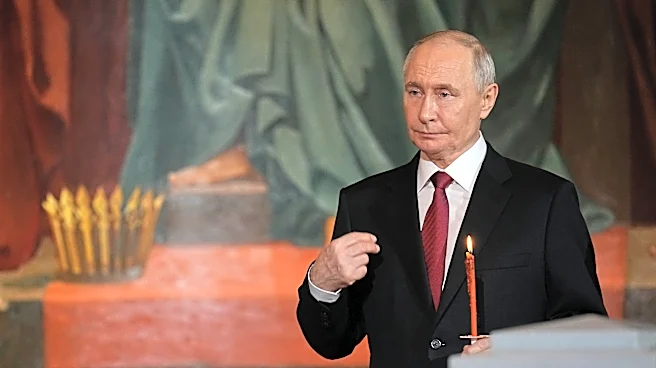
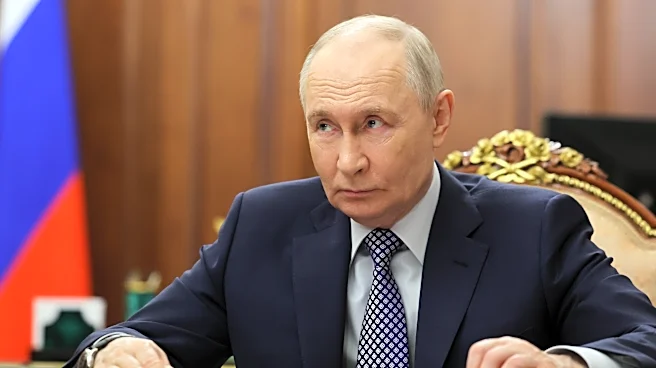
and drone strikes. In response, Russian officials claimed Ukrainian drones attacked targets in the Kursk and Belgorod regions, injuring several people. Despite these tensions, both countries successfully exchanged 175 prisoners of war each, facilitated by mediation from the United Arab Emirates. Ukrainian President Volodymyr Zelenskyy expressed hope for an extended ceasefire, while Russian President Vladimir Putin attended Easter services, emphasizing the support of the Orthodox Church for Russia's military efforts.
Why It's Important?
The ongoing conflict between Ukraine and Russia continues to have significant geopolitical implications, affecting regional stability and international relations. The ceasefire violations highlight the fragile nature of peace efforts and the challenges in achieving a lasting resolution. The prisoner exchange, however, represents a rare moment of cooperation and could serve as a foundation for future negotiations. The involvement of the United Arab Emirates as a mediator underscores the international community's interest in resolving the conflict. The situation remains a focal point for U.S. foreign policy, as it impacts global security dynamics and the balance of power in Eastern Europe.
What's Next?
The future of the ceasefire remains uncertain, with both sides accusing each other of violations. Continued diplomatic efforts may be necessary to extend the truce and prevent further escalation. The international community, including the United States, may increase pressure on both nations to adhere to peace agreements. The prisoner exchange could pave the way for additional humanitarian actions, potentially leading to broader peace talks. Monitoring the situation closely will be crucial for stakeholders involved in regional security and international diplomacy.
Beyond the Headlines
The conflict between Ukraine and Russia has broader implications for global security and international law. The repeated ceasefire violations raise questions about the effectiveness of international agreements and the role of mediators in conflict resolution. The involvement of religious institutions, as seen with the Orthodox Church's support for Russia, highlights the complex interplay between religion and politics in the region. The situation also underscores the importance of humanitarian efforts in conflict zones, as evidenced by the prisoner exchange and the conditions of those released.