






What's Happening?
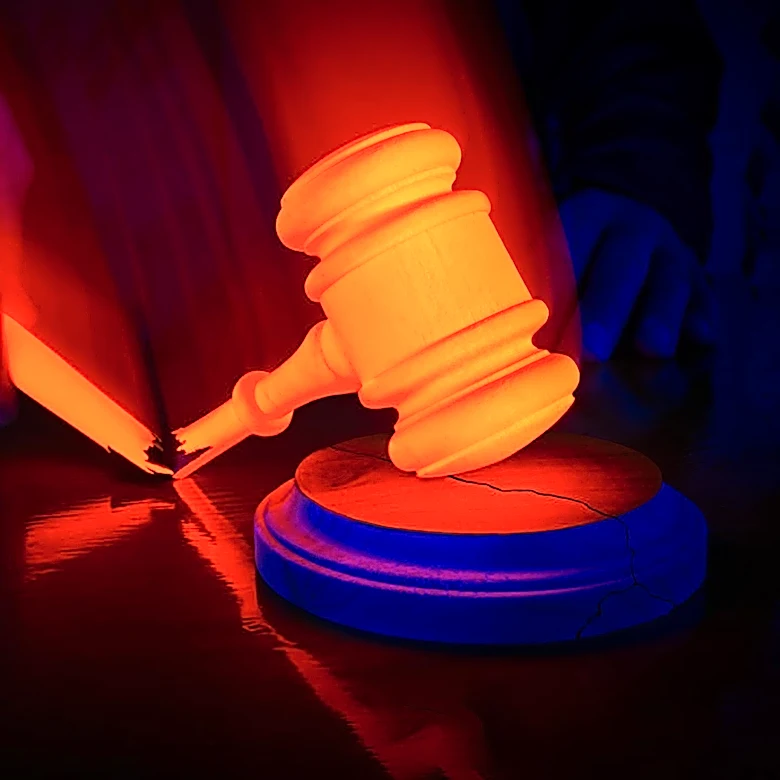
The Department of Justice (DOJ) has faced another setback in its efforts to access unredacted voter rolls from New York and West Virginia. Judges in both states ruled against the DOJ, citing a lack of proper basis and purpose for the requests under federal
law. The rulings are part of a series of legal defeats for the DOJ, which has been seeking voter registration records from multiple states as part of its election integrity initiative. The courts have consistently found that the DOJ's demands do not meet the statutory requirements for accessing sensitive voter information.
Why It's Important?
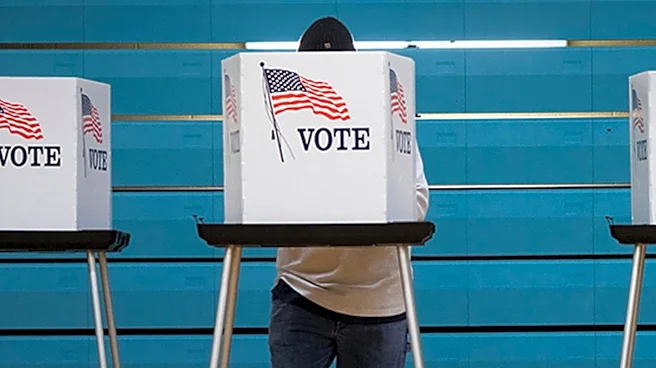
The DOJ's repeated legal losses highlight the challenges of balancing election integrity efforts with privacy and state rights. Access to voter rolls is a contentious issue, with implications for voter privacy and the federal government's role in state election processes. The rulings may impact the DOJ's ability to pursue similar cases in other states and could influence future federal election oversight strategies. The decisions also underscore the importance of clear legal justifications when seeking sensitive information, which is crucial for maintaining public trust in election processes.
What's Next?
The DOJ is likely to appeal the recent rulings, continuing its efforts to access voter rolls across the country. The outcomes of these appeals could set important precedents for federal-state relations in election oversight. Meanwhile, states may strengthen their legal defenses against similar federal requests, potentially leading to further legal battles. The ongoing disputes will be closely watched by election officials, privacy advocates, and policymakers, as they could shape the future of election integrity initiatives and voter privacy protections.