




What's Happening?
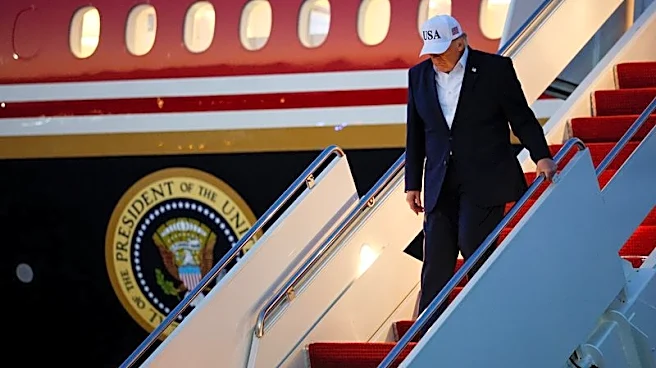
President Trump has granted pardons to 11 individuals, including nine people convicted of violating the Clean Air Act by disabling emissions control systems on vehicles. Among those pardoned is Adam Kidan, a former business partner of Jack Abramoff, who
was previously jailed for wire fraud. The pardons were announced on July 4, 2026, and have sparked discussions about the administration's stance on environmental regulations. Trump has previously rolled back federal tailpipe emissions standards, reversing a key scientific finding from the Obama administration regarding greenhouse gas emissions. The pardons have been framed by Trump as addressing what he describes as persecution under President Biden's administration.
Why It's Important?
The pardons highlight ongoing tensions between environmental regulatory enforcement and the current administration's policies. By pardoning individuals convicted of bypassing emissions controls, President Trump signals a continued departure from stringent environmental regulations. This move could have significant implications for U.S. environmental policy, potentially encouraging similar actions by others in the automotive industry. The decision also reflects broader political dynamics, as Trump positions himself against the regulatory approaches of the Biden administration. Stakeholders in the automotive and environmental sectors may view these pardons as indicative of future regulatory leniency, impacting compliance strategies and environmental advocacy efforts.
What's Next?
The pardons may lead to increased scrutiny of the administration's environmental policies and enforcement practices. Environmental groups and political opponents are likely to respond critically, potentially leading to legal challenges or legislative efforts to reinforce emissions standards. The pardons could also influence upcoming elections, as environmental policy remains a contentious issue among voters. Businesses in the automotive sector may adjust their compliance strategies in anticipation of further regulatory changes. Additionally, the pardons may prompt discussions within the Environmental Protection Agency regarding the balance between regulatory enforcement and industry flexibility.