
What's Happening?
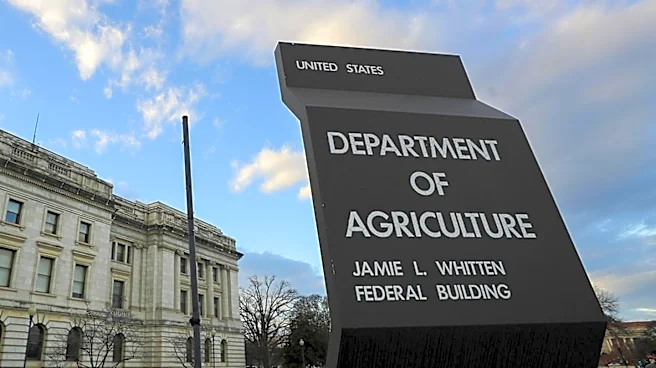
In the United States, animal breeding is subject to a complex web of federal, state, and local regulations, with no single, universal breeding license. The U.S. Department of Agriculture’s Animal and Plant
Health Inspection Service (USDA APHIS) administers the federal Animal Welfare Act (AWA), which regulates individuals and businesses involved in buying, selling, transporting, or exhibiting certain animals. Breeders who sell covered animals to pet stores, brokers, or other dealers, or engage in direct sales where buyers cannot personally see the animal before purchase, may require a USDA license. This federal license involves identifying regulated activities, submitting applications and fees, and meeting APHIS standards for housing, sanitation, veterinary care, handling, records, and transportation. Inspections are conducted both before and after licensing. State and local governments also impose their own licensing requirements, which can vary based on the number of breeding animals, species, sales volume, and location, often setting stricter standards than federal law.
Why It's Important?
The intricate regulatory framework for animal breeding in the U.S. is crucial for ensuring animal welfare and consumer protection. The USDA's oversight through the AWA establishes baseline standards for commercial breeders, aiming to prevent inhumane conditions and neglect. This impacts the entire animal sales chain, from large-scale commercial operations to smaller breeders, by mandating specific care practices and accountability. For consumers, these regulations offer a degree of assurance regarding the health and origin of animals purchased, although licensing alone does not guarantee responsible breeding. The varying state and local requirements mean that breeders must navigate a fragmented legal landscape, which can be challenging but is intended to address specific regional concerns and animal populations. Non-compliance can lead to significant penalties, including fines, citations, animal seizures, and license revocations, underscoring the importance of adherence for all stakeholders in the animal breeding industry.
What's Next?
Breeders are advised to proactively identify and comply with all applicable federal, state, and local licensing requirements. This involves listing species and activities, mapping sales channels, and consulting with USDA APHIS, state agriculture or animal-health agencies, and local planning or zoning departments. Given that regulations can change and vary significantly, continuous monitoring of current guidance is essential. For complex operations, seeking legal counsel specializing in animal or agricultural regulation can help interpret conflicting requirements and ensure compliance. The ongoing enforcement actions by APHIS and other regulatory bodies indicate a continued focus on upholding animal welfare standards and holding breeders accountable for their practices.
Beyond the Headlines
The fragmented nature of animal breeding regulations highlights a broader challenge in U.S. governance: balancing federal oversight with state and local autonomy. While the AWA provides a national floor for animal welfare, the ability of states and localities to impose more stringent rules reflects diverse public expectations and ethical considerations regarding animal treatment. This regulatory complexity can create barriers for small-scale breeders or those operating across state lines, potentially impacting the supply and cost of certain animals. Furthermore, the emphasis on licensing and inspections underscores a societal shift towards greater accountability for animal-related businesses, moving beyond mere ownership to a more regulated approach to animal commerce and care. The ongoing evolution of these laws reflects a continuous debate about the ethical responsibilities associated with animal breeding and sales.