



What's Happening?
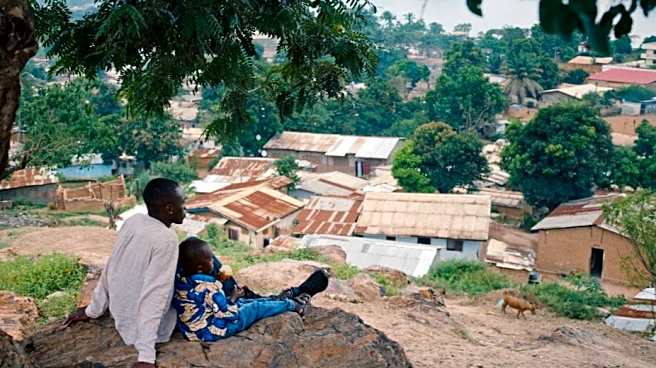
The United Nations High Commissioner for Refugees (UNHCR) is inviting partner organizations to provide logistics support and warehouse management in Kémo-Gribingui, Central African Republic (CAR). This opportunity is crucial for maintaining humanitarian
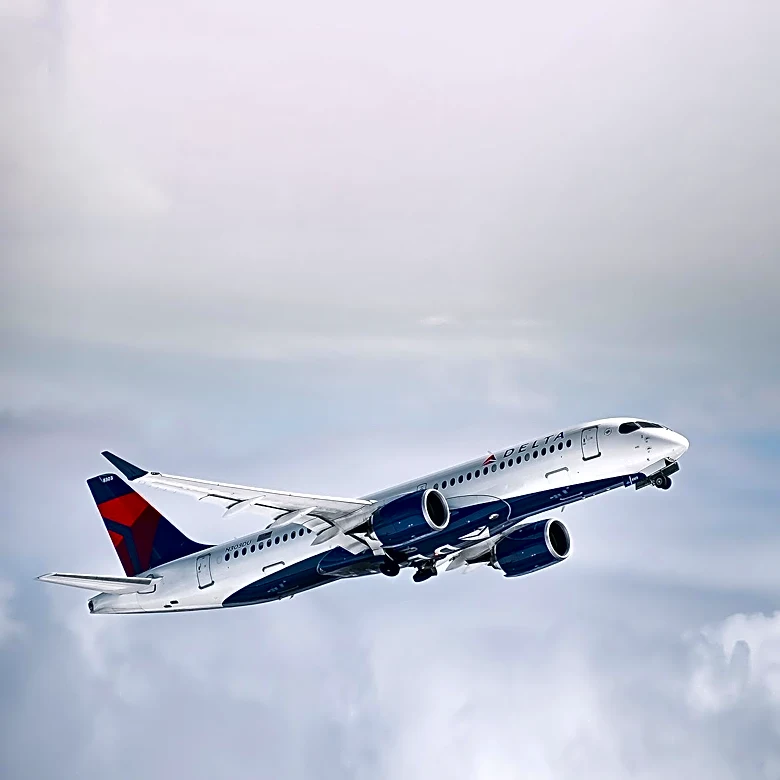
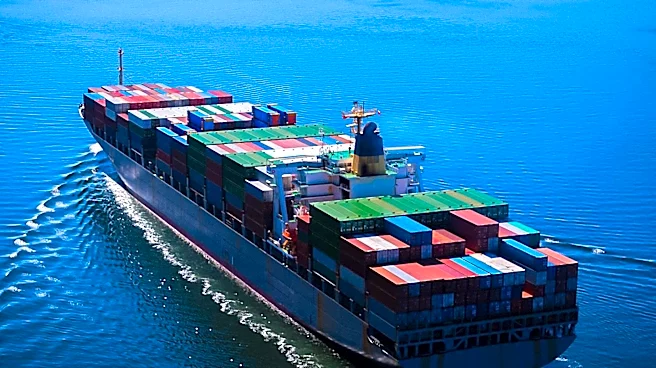
protection and assistance operations for forcibly displaced and stateless people in the region. The scope of work includes emergency logistics, fleet and generator maintenance, warehouse and inventory management, fuel storage and distribution, procurement support, and the safe transportation of personnel and goods. UNHCR aims to ensure that humanitarian teams have reliable access to essential vehicles, equipment, supplies, fuel, and logistical infrastructure to operate safely and efficiently in a challenging environment. The selected partner will be responsible for practical logistics support to ensure continuous humanitarian operations.
Why It's Important?
Reliable logistics are the backbone of any effective humanitarian operation, especially in complex and challenging environments like Kémo-Gribingui, CAR. Without robust logistical support, the delivery of protection and assistance to vulnerable populations can be severely hampered, leading to delays, increased costs, and heightened risks for both aid workers and beneficiaries. This partnership ensures that UNHCR and its partners can maintain operational capacity, providing essential services such as shelter, food, medical supplies, and protection to those in need. Effective warehouse management prevents loss and ensures the availability of supplies, while well-maintained fleets and generators are critical for mobility and power in areas with limited infrastructure. This initiative directly impacts the ability to save lives and alleviate suffering among displaced and stateless communities.
What's Next?
Partner organizations with expertise in logistics and operational capacity in Kémo-Gribingui are encouraged to apply. UNHCR will assess applications based on weighted selection criteria, with a significant emphasis on localization, encouraging international organizations to collaborate with local entities. Successful applicants will be tasked with managing vehicle fleets, generators, warehouses, fuel supplies, and transportation networks. The selected partner will implement activities focused on routine maintenance, inventory control, safe fuel handling, and efficient movement of personnel and goods. The goal is to establish a reliable logistics framework that supports UNHCR's protection principles and ensures the continuous, safe, and efficient delivery of humanitarian aid in the Central African Republic.
Beyond the Headlines
This logistics partnership highlights the often-overlooked but critical role of operational infrastructure in humanitarian aid. Beyond the direct provision of assistance, the ability to move, store, and maintain resources is fundamental to the success of any intervention. The emphasis on localization in the selection criteria reflects a broader trend in humanitarianism to empower local actors and build sustainable capacities within affected regions. This approach not only enhances the effectiveness and cultural appropriateness of aid but also contributes to long-term development and resilience. Furthermore, the integration of protection principles into logistics operations underscores the ethical responsibility to ensure that all aspects of humanitarian work are conducted safely, inclusively, and with respect for the dignity of affected populations, minimizing any potential negative impacts on the environment or communities.