



What's Happening?
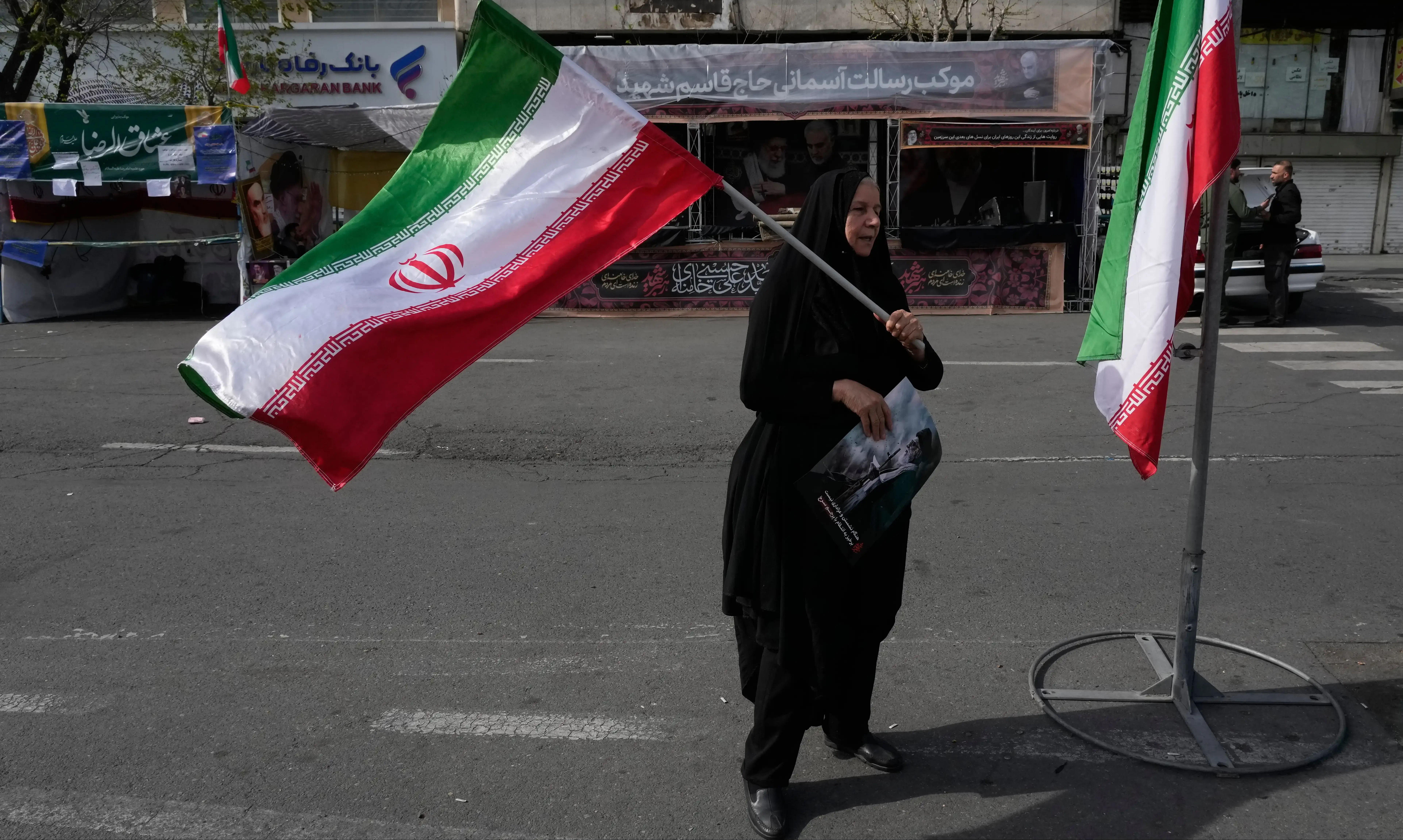
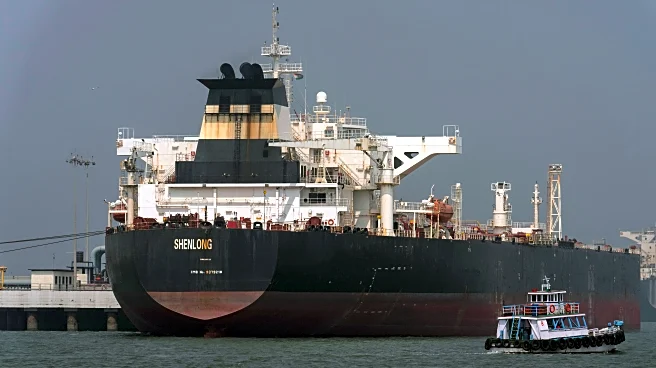
The ongoing conflict involving the United States, Israel, and Iran has led to significant disruptions in global energy supplies, particularly affecting Asian countries. Iran's blockade of the Strait of Hormuz, a critical passage for oil and gas, has restricted
a substantial portion of the world's energy supply. As a result, the Philippines has declared a national energy emergency, and other Asian nations are implementing austerity measures to manage the crisis. South Korea is advising citizens to conserve electricity, while Japan is releasing emergency oil reserves. The conflict has caused a spike in oil prices, with predictions of further increases if the situation persists. This has led to economic strain, with airlines in Asia reducing flights and countries scrambling to secure alternative energy sources.
Why It's Important?
The energy crisis triggered by the conflict in Iran has far-reaching implications for global economies, particularly in Asia, which heavily relies on Middle Eastern oil. The rising oil prices threaten to trigger a global recession, impacting industries and consumers worldwide. The situation underscores the vulnerability of global energy markets to geopolitical tensions and highlights the need for diversified energy sources. The crisis also poses challenges for governments trying to balance economic stability with energy conservation. The potential for prolonged economic pain is significant, affecting everything from manufacturing to consumer goods availability.
What's Next?
If the conflict continues, further disruptions in energy supply and economic instability are likely. Countries may need to implement more stringent energy conservation measures and seek alternative energy sources. The situation could lead to increased investment in renewable energy as nations look to reduce dependency on volatile oil markets. Additionally, governments may face pressure to provide financial relief to citizens and industries affected by rising energy costs. The international community may also seek diplomatic solutions to ease tensions and restore stability in the region.