


What's Happening?
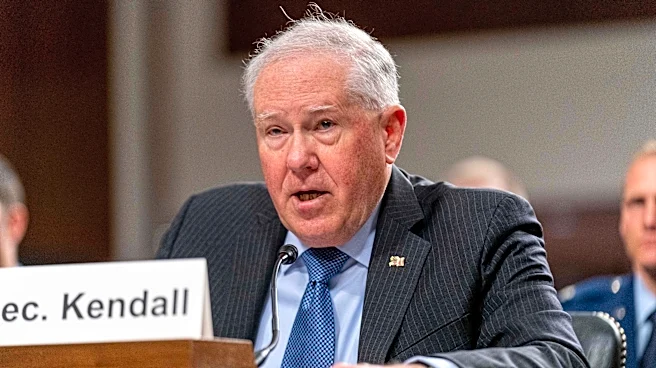
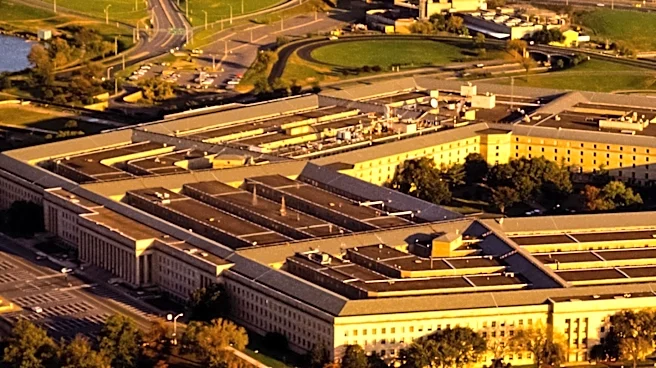
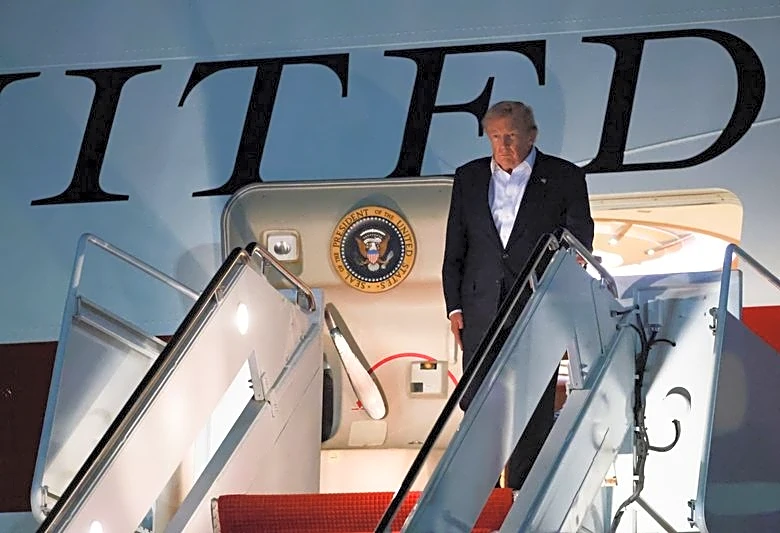
The Pentagon has revoked the security clearance of former Air Force Secretary Frank Kendall, citing allegations of disclosing classified information regarding the VC-25B 'Air Force One' aircraft. The decision was announced by Chief Pentagon spokesman
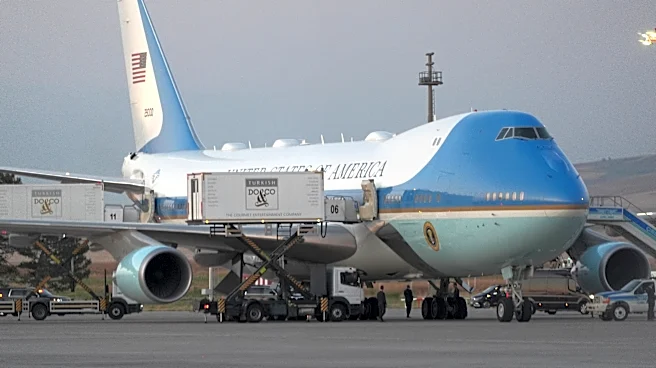
Sean Parnell, who stated that Kendall's eligibility for access to classified information and his ability to hold any sensitive position have been revoked. The allegations stem from a July 9 New York Times article where Kendall was quoted discussing the rapid modification process of the Qatari-donated Boeing 747-8, suggesting it lacked some typical features of a VC-25. Kendall has denied disclosing any classified information and plans to take legal action, asserting that he has not been informed of what he allegedly revealed.
Why It's Important?
This development highlights the ongoing scrutiny and challenges surrounding the handling of classified information within the U.S. government. The revocation of Kendall's clearance underscores the serious consequences of alleged breaches of security protocols, reflecting broader concerns about safeguarding sensitive information. This incident also illustrates the tensions between former and current administrations, as Kendall has been a vocal critic of President Trump's policies. The case may influence future policies on security clearances and the management of classified information, impacting how former officials engage with sensitive data post-tenure.
What's Next?
Kendall's legal challenge could lead to a review of the processes and criteria used to revoke security clearances. The case may prompt discussions on the balance between transparency and security in government communications. Additionally, the incident could affect Kendall's ability to continue his work in the defense industry and influence future advisory roles.