





What's Happening?
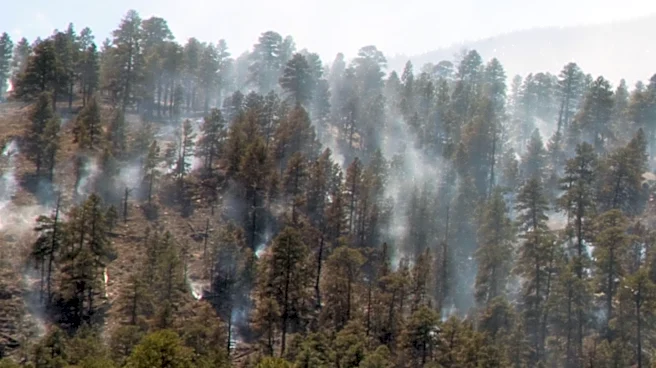
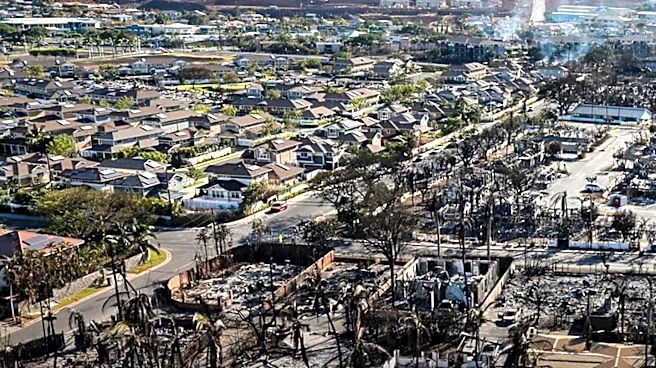
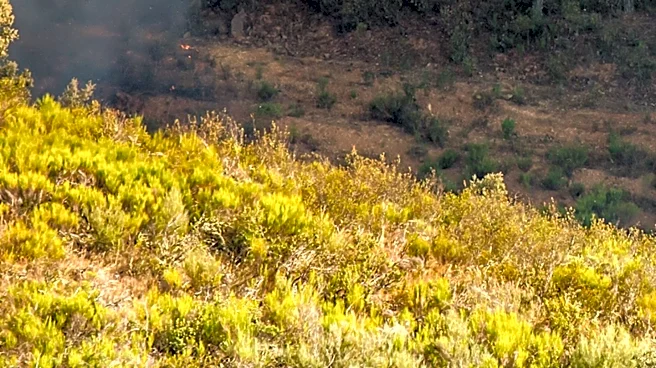
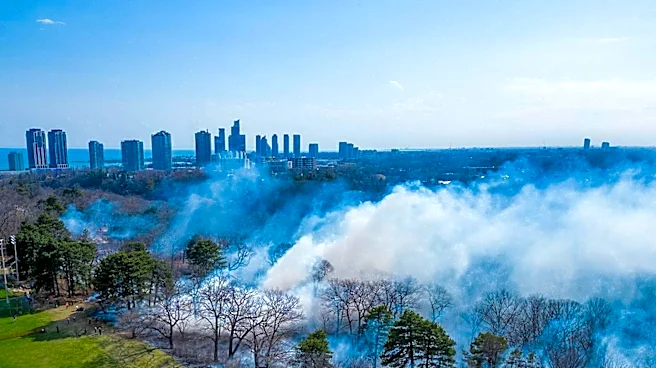
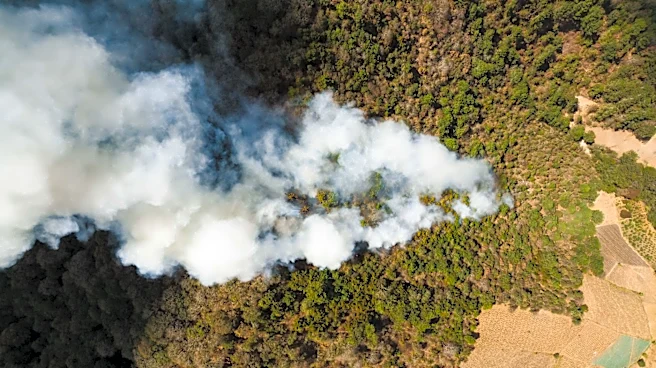
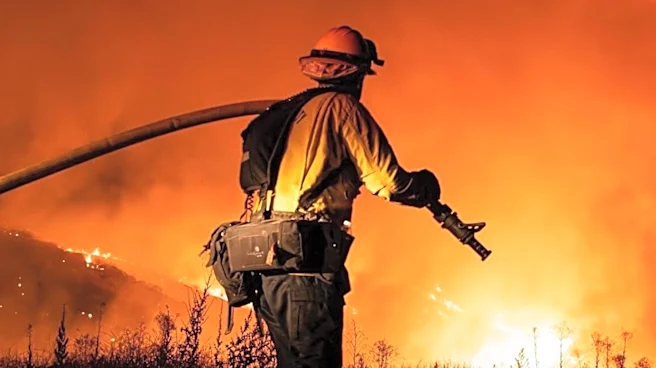
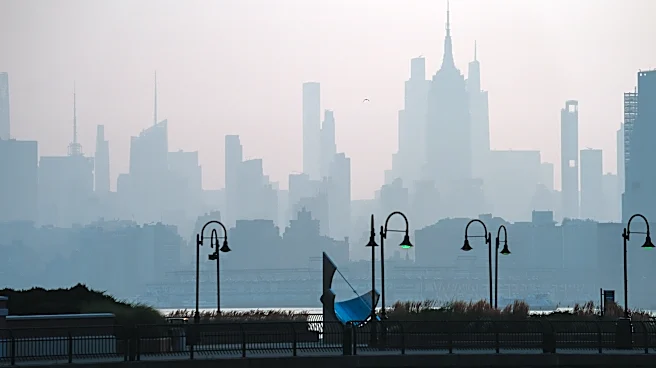
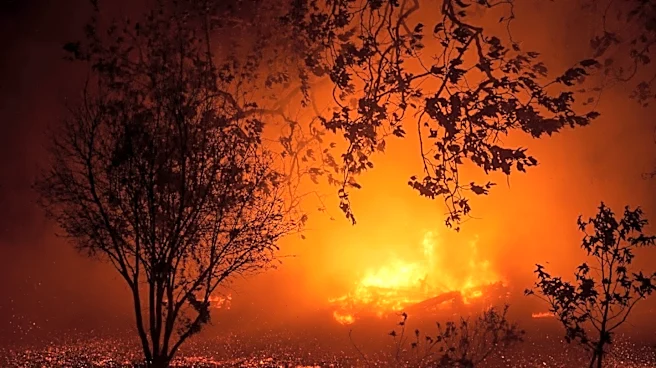
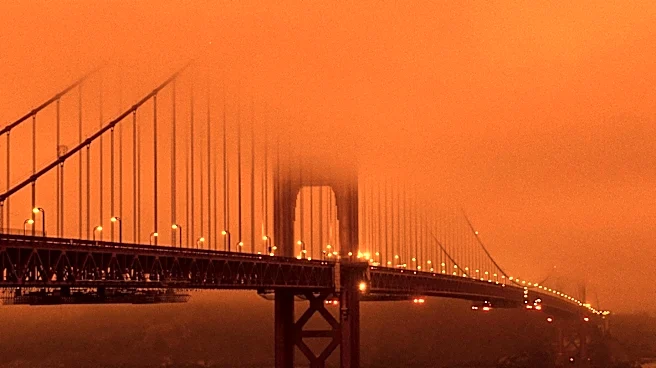
The National Weather Service has issued heat advisories and excessive heat warnings for parts of the Upper Midwest, with temperatures reaching heat indexes of up to 100 degrees. Concurrently, smoke from Canadian wildfires is affecting air quality across
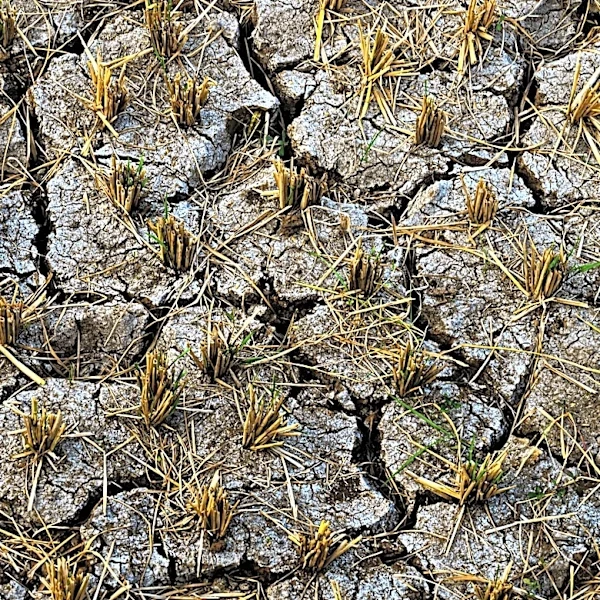
the Midwest and Northeast. These conditions are creating significant challenges for farmers, as prolonged heat can stress crops like corn and soybeans during critical development stages. Additionally, the smoke may hinder outdoor agricultural operations and reduce visibility, complicating efforts to manage crops and livestock.
Why It's Important?
The extreme weather conditions underscore the vulnerability of the agricultural sector to climate-related events. The stress on crops during key growth phases could lead to reduced yields, impacting food supply and prices. Livestock health is also at risk, which could affect meat and dairy production. These challenges highlight the need for adaptive strategies in agriculture to mitigate the effects of climate change. The situation also raises concerns about the long-term sustainability of farming practices in the face of increasing environmental volatility.
What's Next?
Farmers and agricultural experts will need to monitor weather conditions closely and implement strategies to protect crops and livestock. This may include adjusting irrigation practices, using protective coverings, or altering planting schedules. Policymakers may also consider providing support to farmers affected by these conditions, such as financial aid or resources for implementing adaptive measures. The ongoing situation could prompt further discussions on climate resilience in agriculture and the need for comprehensive strategies to address environmental challenges.