








What's Happening?
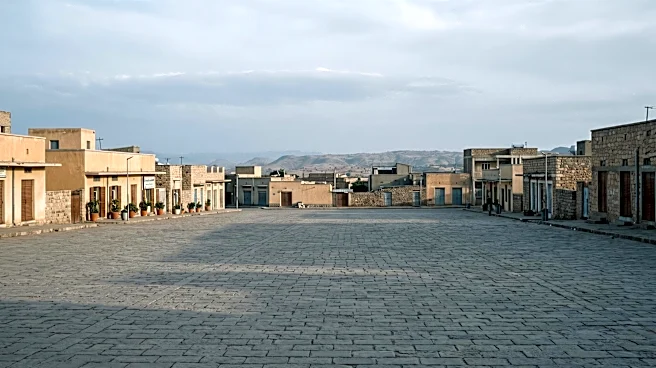
The Ashenda festival, a significant cultural and religious event celebrating women and the Virgin Mary in Ethiopia's Tigray region, has been canceled due to fears of renewed conflict and drone attacks. The festival was scheduled to conclude with a large
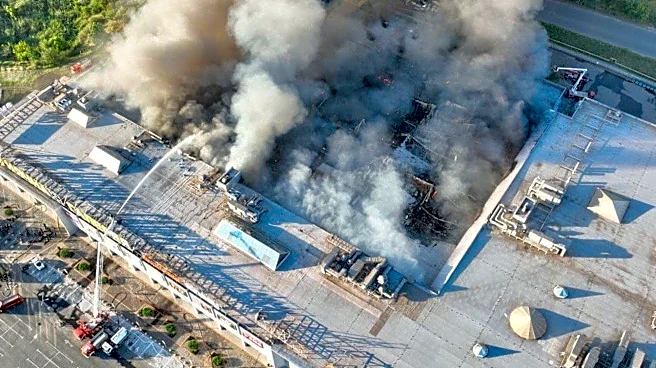
gathering in Mekelle. Recent drone strikes have heightened tensions, with the Tigray regional administration attributing these attacks to federal armed forces. The Ethiopian government has not yet commented on these allegations. This cancellation follows a series of reported drone strikes, including one in Mekelle that injured 13 civilians and damaged homes, and others near Dandera and Raya-Alamata district, resulting in casualties. The decision to cancel the event was announced by Dori Asgedom, head of Tigray’s Culture and Tourism Bureau, citing "ongoing drone strikes and the threat of war." This development occurs less than four years after a peace agreement ended a two-year civil war in Tigray in 2022, raising concerns that the conflict could reignite.
Why It's Important?
The cancellation of the Ashenda festival underscores the fragile security situation in Ethiopia's Tigray region and highlights the persistent risk of renewed conflict. This event, deeply rooted in cultural and religious traditions, serves as a barometer for stability in the area. Its disruption due to security threats indicates a significant deterioration of peace, potentially impacting humanitarian efforts and the daily lives of civilians who are still recovering from a devastating civil war. The accusations by Tigrayan authorities against federal forces, if confirmed, could further erode trust and complicate any future peace-building initiatives. The international community's response to these alleged drone attacks and the calls for diplomatic action will be crucial in preventing a full-scale resumption of hostilities, which would have severe consequences for regional stability and human rights. The ongoing tensions also pose a threat to economic recovery and development in a region already grappling with the aftermath of war.
What's Next?
The Tigray regional administration has urged the international community to condemn the recent attacks and to take diplomatic action to prevent further escalation. The Ethiopian government's response to these allegations and the international community's engagement will be critical in shaping the immediate future. There is a risk that the conflict could reignite, especially following the Tigray People's Liberation Front's (TPLF) removal of the interim administration and reinstatement of its pre-war council. Observers will be closely watching for any official statements from the Ethiopian federal government regarding the drone strikes and their stance on the regional administration's claims. The focus will be on diplomatic efforts to de-escalate tensions and prevent a return to widespread conflict, which could involve mediation from international bodies or regional organizations. The safety and well-being of civilians in Tigray remain a primary concern, and humanitarian organizations will likely monitor the situation closely for any further displacement or need for aid.
Beyond the Headlines
The cancellation of the Ashenda festival reflects a deeper struggle for political control and stability in Ethiopia. The resurgence of tensions, despite a peace agreement, highlights the challenges of post-conflict reconciliation and governance. The use of drone technology in internal conflicts, as alleged by Tigrayan authorities, raises ethical questions about modern warfare and its impact on civilian populations. This situation also brings to light the complex interplay between cultural identity, religious freedom, and political stability, as a significant cultural event is directly impacted by security concerns. The international community's role in addressing such internal conflicts, particularly when allegations of human rights abuses or violations of peace agreements arise, is a critical aspect of global diplomacy. The long-term implications for Ethiopia's federal structure and the autonomy of its regions will depend on how these renewed tensions are managed and whether a sustainable political solution can be found.