


What's Happening?
The Caribbean Public Health Agency (CARPHA) recently concluded a two-day Regional Climate and Health Workshop in Barbados, focusing on vector-borne disease prevention and preparedness. The workshop, funded by CARPHA’s Pandemic Fund grant, aimed to enhance
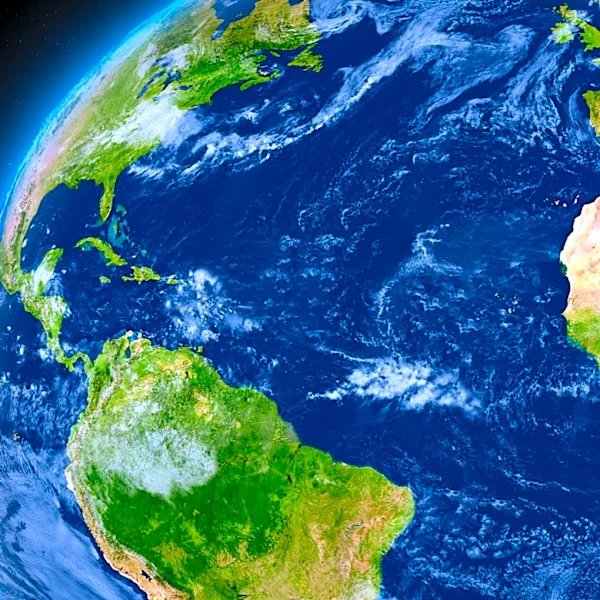
the practical use of climate and environmental information in disease surveillance, preparedness, vector control, and public health decision-making across six CARPHA Member States. Participants, including public health professionals, vector-borne disease experts, and meteorological service representatives from Barbados, The Bahamas, Saint Lucia, Grenada, Curaçao, and Trinidad and Tobago, examined the relationship between climate and disease risk, climate information services, and disease forecasting systems. Dr. Lisa Indar, Executive Director of CARPHA, highlighted that climate-informed surveillance provides a critical advantage by enabling earlier recognition of changing risks and timely, targeted action. Dr. Roshan Parasram, Head of Vector-Borne Diseases at CARPHA, emphasized the importance of translating climate information into operational public health action, especially for Caribbean Small Island Developing States, to predict and adapt to climate-sensitive vector-borne disease risks.
Why It's Important?
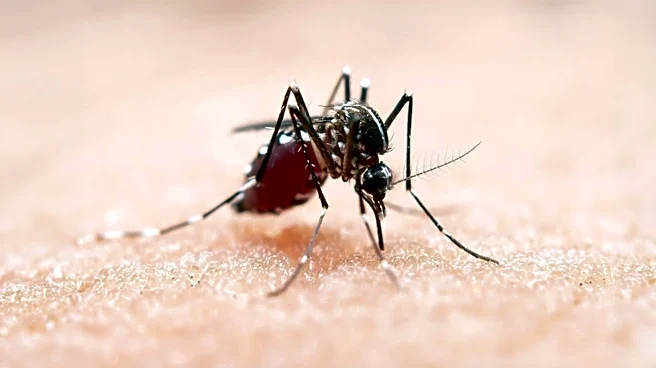
Climate variability and climate change are increasingly influencing the distribution, abundance, and transmission dynamics of vectors and vector-borne diseases across the Caribbean. Changes in rainfall, temperature, humidity, drought conditions, and extreme weather events create favorable conditions for vector proliferation, thereby heightening the risk of disease transmission. This initiative is crucial for strengthening regional health security and protecting lives and livelihoods in the Caribbean. By fostering collaboration between health and climate sectors, countries can develop more robust early warning systems and direct resources more precisely to intervene before threats escalate into outbreaks. The workshop's focus on integrating epidemiological, entomological, laboratory, climate, and environmental data into CARPHA’s Regional Integrated Early Warning Surveillance and Response System (RIEWSS) is vital for earlier detection of emerging disease threats and more timely public health responses. This proactive approach is essential for mitigating the public health impact of pandemics and infectious diseases in a region highly vulnerable to climate-related health challenges.
What's Next?
CARPHA plans to continue working with Member States and partners to strengthen climate-informed public health programs and advance regional technical support mechanisms. The agency will promote the sustained use of evidence and early warning information to prevent and respond to vector-borne disease threats. The ongoing Pandemic Fund Project, spanning from 2024 to 2026, aims to reduce the public health impact of pandemics in the Caribbean through prevention, preparedness, and response (PPR). This project will support the development of pandemic PPR surveillance and early warning systems, laboratory systems, and workforce capacity at both regional and country levels. These efforts are designed to reduce the transboundary spread of infectious diseases and improve regional and global health security. Future steps will involve defining priority data requirements, governance arrangements, alert pathways, and technical support mechanisms to ensure the effective integration of diverse data types for enhanced disease detection and response.
Beyond the Headlines
The initiative underscores a broader global challenge: the increasing intersection of climate change and public health. While the immediate focus is on vector-borne diseases in the Caribbean, the methodologies and collaborative frameworks developed here could serve as a model for other regions facing similar climate-sensitive health risks. The emphasis on integrating climate information into public health decision-making highlights a paradigm shift towards more predictive and adaptive health systems. This approach acknowledges that traditional public health strategies may be insufficient in the face of rapidly changing environmental conditions. Furthermore, the project's reliance on international funding and collaboration, such as the Pandemic Fund grant and partnerships with organizations like the Global Council for Science and the Environment, illustrates the necessity of global cooperation to address complex, transboundary health threats exacerbated by climate change. The long-term implications include not only improved health outcomes but also enhanced economic stability and resilience for vulnerable island nations.