




What's Happening?
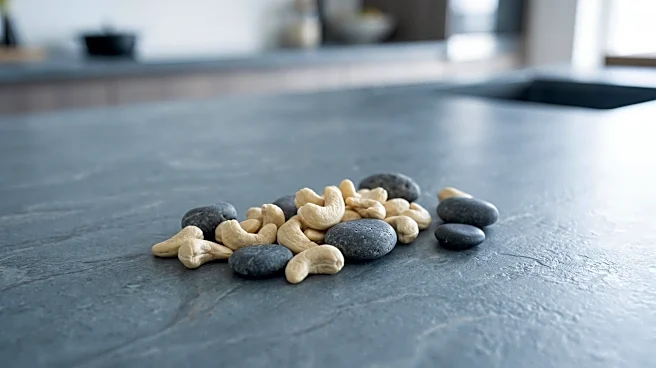
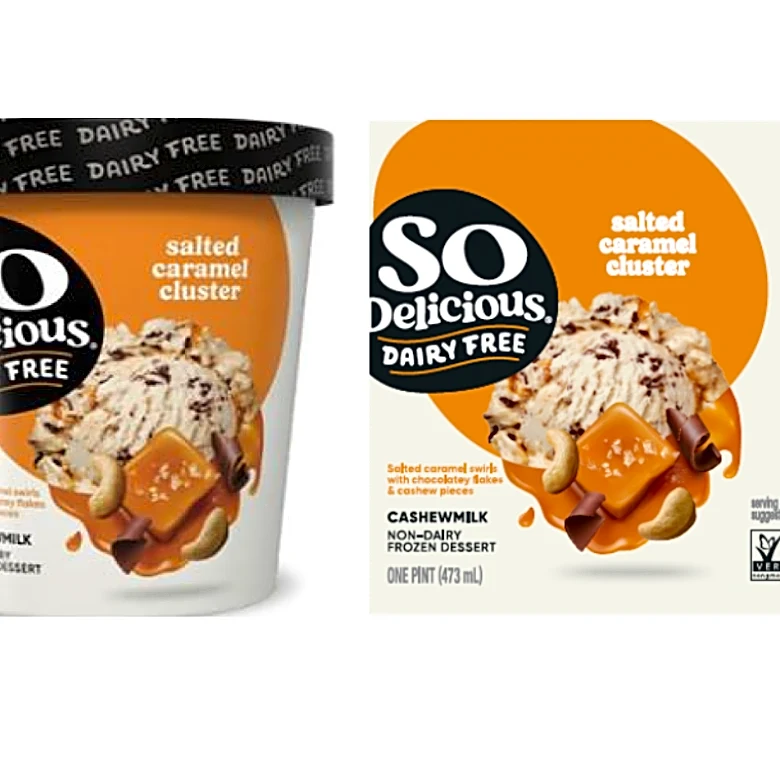
Danone USA has issued a voluntary recall for its So Delicious Dairy Free Salted Caramel Cluster Non-Dairy Frozen Dessert pints. The recall was initiated due to the potential presence of foreign materials, specifically small stones and other hard objects,
within the cashew inclusions of the product. This marks the second time in less than a year that this specific product has been recalled for the same reason, with the previous recall occurring in December. The issue was identified following customer complaints. The affected pints have best-by dates on or before April 3, 2028, and were distributed to retail stores nationwide. So Delicious Dairy Free is actively working with its retail partners to remove the recalled products from shelves and has stated that the issue has been identified and corrected, with plans to safely reintroduce the product to the market soon. Customers who have purchased the recalled product are advised not to consume it and can contact So Delicious Dairy Free for a replacement coupon or refund. No other So Delicious Dairy Free products are affected by this recall.
Why It's Important?
This recall highlights significant concerns regarding food safety and quality control within the dairy-free product sector, particularly for a major brand like So Delicious Dairy Free, owned by Danone USA. The recurrence of the same contamination issue within a short period raises questions about the effectiveness of previous corrective actions and the robustness of the company's manufacturing processes. For consumers, especially those with dietary restrictions who rely on dairy-free alternatives, such recalls can erode trust and create anxiety about the safety of their food choices. The presence of foreign objects like stones poses a physical hazard, potentially leading to dental injuries, choking, or internal injuries. From an industry perspective, repeated recalls can result in substantial financial losses due to product retrieval, disposal, consumer refunds, and potential legal liabilities. It also underscores the critical importance of stringent quality assurance protocols throughout the supply chain, from ingredient sourcing to final product packaging, to prevent contamination and protect public health.
What's Next?
So Delicious Dairy Free is currently working to remove all affected products from retail shelves across the nation. Consumers who have purchased the recalled pints are instructed to refrain from consuming them and to contact the company for a replacement coupon or refund. The company has stated that it has identified and corrected the issue, indicating that a revised production process or ingredient sourcing method is likely in place. Following the successful removal of the contaminated products and verification of the corrective measures, the company plans to bring the product back to market. Regulatory bodies, such as the FDA, will likely continue to monitor the situation to ensure compliance and prevent future occurrences. This incident may also prompt other food manufacturers to review their own quality control procedures, especially concerning ingredients sourced from external suppliers, to mitigate similar risks.
Beyond the Headlines
The repeated recall of the same product for the same contamination issue points to a deeper systemic challenge in ensuring food safety, particularly when dealing with complex supply chains and natural ingredients like cashews. It raises questions about the efficacy of current industry standards and regulatory oversight in preventing recurring problems. Beyond the immediate health risks, such incidents can have a lasting impact on brand reputation and consumer loyalty, which are crucial for companies operating in competitive markets like the dairy-free sector. This situation could also spur greater scrutiny from consumer advocacy groups and potentially lead to calls for more rigorous testing and transparency from food manufacturers regarding their ingredient sourcing and production practices. The incident serves as a reminder that even established brands can face significant challenges in maintaining consistent product safety, underscoring the continuous need for vigilance and robust quality management systems.