


What's Happening?
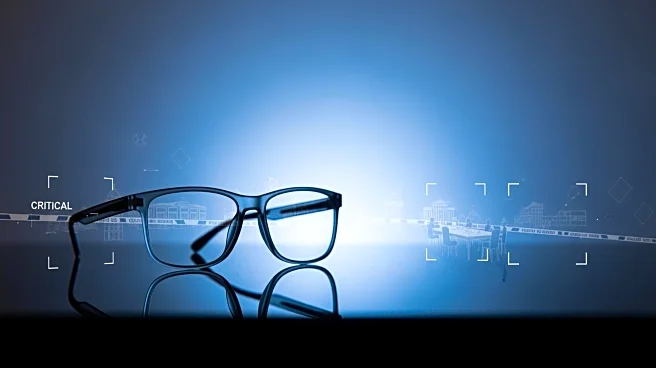
A new app called Nearby Glasses has been developed to detect the presence of smart glasses in the vicinity. Created by Yves Jeanrenaud, a sociology and gender studies academic at Ludwig Maximilian University of Munich, the app identifies smart glasses by detecting
their unique Bluetooth signatures. This development comes amid growing concerns about privacy and covert recording capabilities associated with smart glasses. The app, which is currently available only on Android devices, can detect smart glasses within a range of 32 to 50 feet outdoors and 10 to 32 feet indoors. Although still in its early stages, the app represents a grassroots effort to address privacy issues posed by the increasing prevalence of smart glasses.
Why It's Important?
The introduction of Nearby Glasses highlights the ongoing debate over privacy in the digital age. As smart glasses become more common, concerns about unauthorized recording and surveillance have intensified. This app provides a tool for individuals to protect their privacy by alerting them to the presence of these devices. The development of such technology underscores the need for regulatory frameworks to address privacy concerns associated with emerging technologies. It also reflects a broader societal pushback against the potential misuse of smart glasses, which could impact how tech companies approach the design and deployment of such devices.
What's Next?
As Nearby Glasses gains attention, it may prompt further discussions about privacy and the regulation of smart glasses. Tech companies might face increased pressure to implement features that protect user privacy and prevent misuse. Additionally, the app's development could inspire similar innovations aimed at safeguarding privacy in the face of advancing technology. Regulatory bodies may also consider establishing guidelines to ensure that smart glasses are used responsibly, balancing innovation with privacy rights.
Beyond the Headlines
The emergence of Nearby Glasses raises ethical questions about surveillance and consent in public spaces. As technology continues to evolve, society must grapple with the implications of ubiquitous recording devices. This development could lead to a broader cultural shift towards valuing privacy and transparency, influencing how future technologies are perceived and integrated into daily life.