






What's Happening?
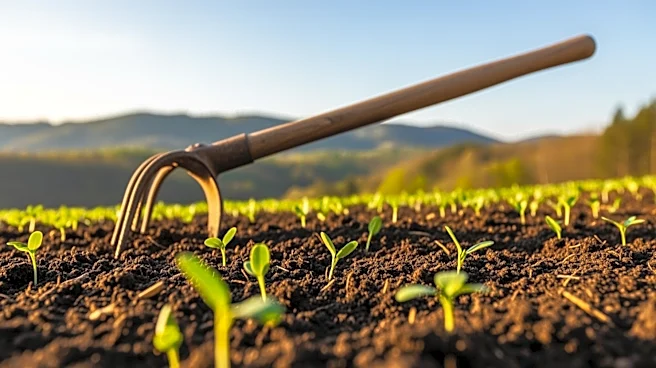
Himachal Pradesh Chief Minister Sukhvinder Singh Sukhu has emphasized the importance of natural farming as the future of the state's economy. During a virtual event, he inaugurated and laid the foundation stones for several development projects worth
Rs 34.31 crore at Dr Y.S. Parmar University of Horticulture and Forestry in Solan district. These projects include a new hostel and administrative building, as well as working women's hostels at various campuses. The Chief Minister highlighted the role of the university in promoting natural farming practices among farmers. Despite the discontinuation of the Revenue Deficit Grant by the Central government, the state is committed to strengthening education, healthcare, and the rural economy. Over 2 lakh farmers have been registered for natural farming, with nearly 1.98 lakh already certified. Agriculture is a critical sector in Himachal Pradesh, with 90% of the population living in rural areas and 53.95% directly dependent on agriculture.
Why It's Important?
The push for natural farming in Himachal Pradesh is significant as it aligns with global trends towards sustainable agriculture. By promoting natural farming, the state aims to enhance the livelihoods of its rural population, which constitutes a large portion of its economy. The initiative is expected to provide fair returns to farmers through the highest minimum support price for naturally grown crops in the country. This move could serve as a model for other states looking to balance economic growth with environmental sustainability. The focus on natural farming also reflects a broader shift towards reducing dependency on chemical fertilizers and pesticides, which can have long-term benefits for soil health and biodiversity.
What's Next?
The Himachal Pradesh government is likely to continue its efforts to promote natural farming through policy support and farmer-friendly initiatives. The success of these initiatives could lead to increased adoption of natural farming practices across the state. Additionally, the government may seek to secure alternative funding sources to compensate for the loss of the Revenue Deficit Grant, ensuring continued investment in rural development. The state's approach could attract attention from other regions and potentially influence national agricultural policies.