


What's Happening?
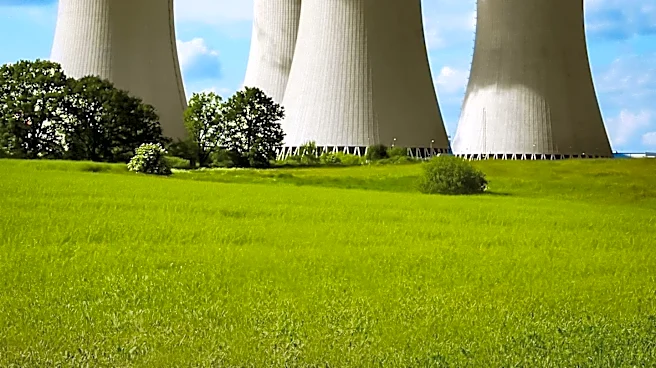
Idaho Governor Brad Little is considering a proposal from the U.S. Department of Energy (DOE) that could see Idaho become one of three states to store the nation's high-level nuclear waste. Idaho is among five finalists vying to host a Nuclear Lifecycle
Innovation Center, which could bring thousands of jobs and billions of dollars in investments to the state. The DOE's shift from mandating host communities to offering economic incentives has drawn Governor Little's attention. While acknowledging the potential economic benefits, Governor Little has stated that no plan is set in stone, emphasizing that Idaho would consume spent fuel to create electricity and would not store waste over the Snake River aquifer. This comes despite the Nuclear Waste Policy Act of 1987 designating Nevada's Yucca Mountain as the permanent site, a plan that was ultimately blocked. The current proposal involves approximately 33,000 tons of nuclear waste, which could remain radioactive for thousands of years.
Why It's Important?
The potential for Idaho to become a nuclear waste storage site carries significant economic and environmental implications. On one hand, the promise of thousands of jobs and billions in investments could provide a substantial boost to Idaho's economy, attracting new industries and skilled labor. This aligns with the DOE's strategy to incentivize states to accept nuclear waste, addressing a long-standing national challenge of managing high-level radioactive materials. However, the environmental risks are considerable, particularly concerning the Snake River aquifer, which underlies nearly 11,000 square miles. Critics, such as Leigh Ford of the Snake River Alliance, express concerns about potential contamination and the long-term burden of managing such hazardous waste. The transportation of nuclear waste across the country also poses safety risks, given the potential for accidents. The decision will weigh economic prosperity against environmental protection and public safety, impacting Idaho's future for generations.
What's Next?
Idaho has currently only signed an agreement to discuss the proposal with the Department of Energy, and Governor Little has clarified that no final plan is in place. If an agreement is reached, waste shipments could commence as early as next year. The DOE is expected to select three states by the end of the year. This decision will likely trigger further public debate and scrutiny, particularly from environmental groups and local communities concerned about the long-term impacts. Stakeholders, including previous Idaho governors Cecil Andrus and Phil Batt, have historically opposed Idaho becoming a nuclear waste dump, suggesting potential political and public resistance to any final agreement. Governor Little's confidence in Idaho's ability to handle the waste, citing past cleanup successes, will be tested as negotiations progress and details of the proposed center emerge.
Beyond the Headlines
The debate over Idaho hosting a Nuclear Lifecycle Innovation Center highlights a broader national challenge regarding nuclear waste management and the balance between energy needs, economic development, and environmental stewardship. The DOE's shift to offering economic incentives reflects a pragmatic approach to overcoming past political impasses, such as the one encountered with Yucca Mountain. This strategy could set a precedent for how future national infrastructure projects with significant environmental implications are negotiated with states. Ethically, the decision involves intergenerational equity, as the waste's radioactivity will persist for millennia, placing a long-term burden on future generations. Legally, any agreement would need to address liability, safety protocols, and long-term monitoring. Culturally, Idaho's identity as a state with vast natural landscapes and a reliance on its aquifer could be significantly altered, leading to profound discussions about the state's future direction and values.