








What's Happening?
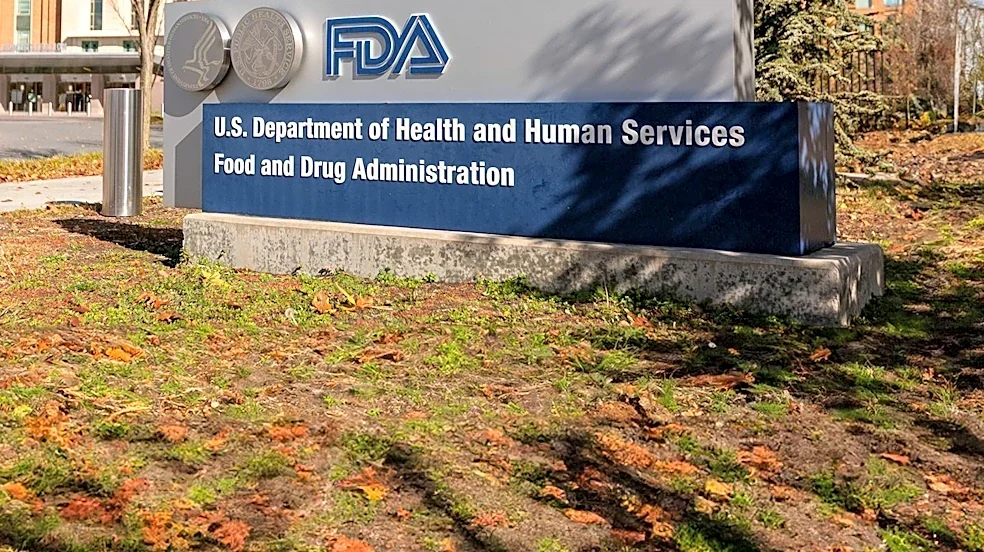
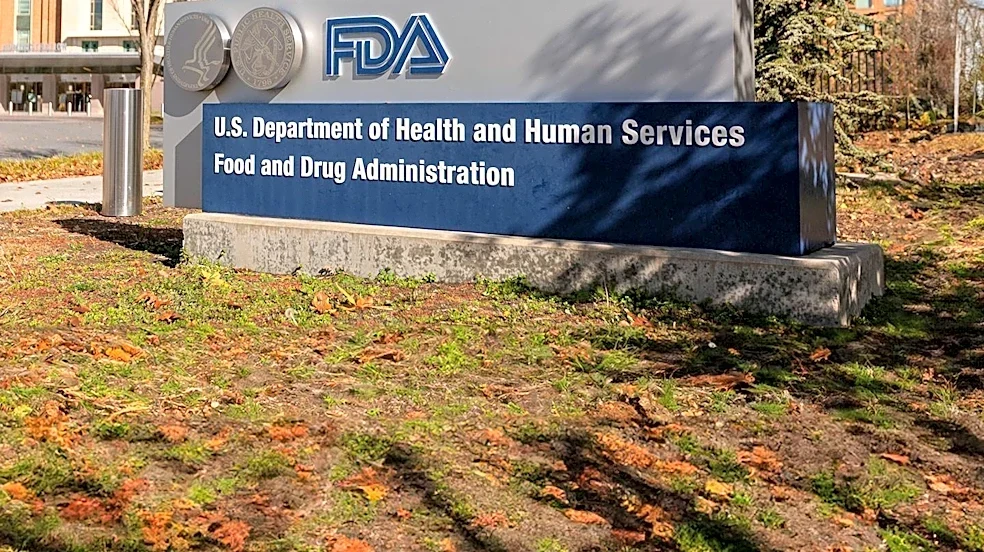
The U.S. Food and Drug Administration (FDA) appears to have signaled a period of enforcement discretion regarding certain compounded peptide products, according to an analysis by law firm Buchanan Ingersoll & Rooney PC. This development offers a temporary
reprieve for compounding pharmacies, allowing them a window to adjust their practices before the agency moves towards stricter application of its bulk drug substance rules. This regulatory shift comes after years of tension between the FDA and the compounding industry concerning peptides like BPC-157, thymosin beta-4, epitalon, and GLP-1 receptor agonist analogs. The FDA has consistently raised concerns about the lack of adequate safety, purity, and manufacturing data for many of these peptides, which have seen increased demand for metabolic health, anti-aging, and recovery therapies. The agency's authority over compounded drugs stems from the Federal Food, Drug, and Cosmetic Act (FDCA), particularly Sections 503A and 503B, which outline conditions for using bulk drug substances.
Why It's Important?
This temporary enforcement discretion carries significant implications for the compounding pharmacy sector in the U.S. Many pharmacies have been operating under legal uncertainty, facing the dilemma of discontinuing popular peptide formulations or risking enforcement actions. The reprieve provides a crucial opportunity for these pharmacies to audit their peptide sourcing, documentation, and quality control practices. It also offers time for industry trade associations, such as the Alliance for Pharmacy Compounding (APC) and the Outsourcing Facilities Association (OFA), to continue advocacy efforts and potentially submit additional safety data to support bulk list nominations. However, this should not be interpreted as a permanent policy shift or an endorsement of unregulated peptide compounding. The FDA has historically used such periods to gather data and prepare more robust guidance, indicating that stricter enforcement is likely to resume. This situation highlights the ongoing regulatory challenges in balancing patient access to compounded medications with the FDA's mandate to ensure drug safety and efficacy.
What's Next?
Pharmacies and prescribers should view this enforcement pause as an opportunity for compliance planning rather than an expansion of peptide offerings. Key next steps include verifying whether specific peptides appear on the applicable 503A or 503B bulks list, documenting patient-specific needs for compounded prescriptions, and implementing rigorous sourcing and testing protocols for peptide active pharmaceutical ingredients. Pharmacies must also coordinate with state boards of pharmacy, which may impose stricter requirements than federal guidelines. Monitoring FDA communications, including Compounding Risk Alerts, warning letters, and Pharmacy Compounding Advisory Committee (PCAC) meeting outcomes, will be crucial for understanding evolving enforcement priorities. The broader trajectory of FDA peptide policy suggests that this reprieve is transitional, with potential future rulemaking refinements, updated PCAC recommendations, and new draft guidance addressing peptide-specific manufacturing and testing standards. Stakeholders are encouraged to engage constructively with the FDA's nomination and comment processes.
Beyond the Headlines
The FDA's approach to compounded peptides reflects a complex interplay between patient demand, pharmaceutical innovation, and regulatory oversight. The proliferation of peptides in the market, driven by consumer interest in wellness and anti-aging, has outpaced the traditional drug approval process. This situation raises ethical questions about access to unapproved therapies and the responsibilities of compounding pharmacies in ensuring product safety. The temporary enforcement discretion could be seen as an attempt by the FDA to gather more data and allow the industry to self-regulate to some extent, rather than imposing immediate, widespread bans. This scenario also underscores the challenges in regulating substances that fall into a gray area between traditional pharmaceuticals and dietary supplements or research chemicals. The long-term implications could include a more formalized regulatory framework for peptides, potentially leading to some being approved as drugs while others are restricted, thereby reshaping the landscape of compounded medications and alternative therapies.