



What's Happening?
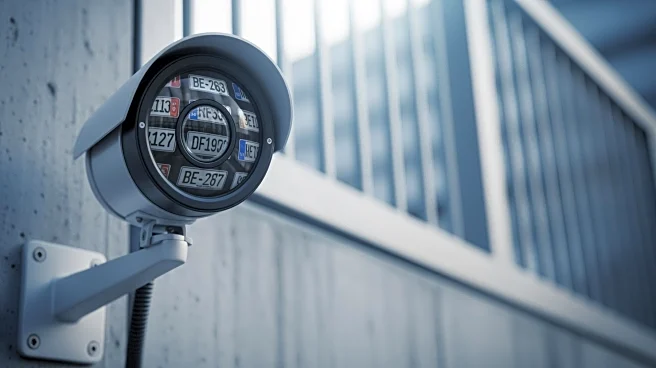
In California, a network of hidden surveillance cameras has been discovered along border roads, raising significant privacy concerns. These cameras, often concealed in trailers and construction barrels, are part of a federal initiative to monitor license
plates and track vehicle movements. The program, which began after California granted permits to federal agencies like Border Patrol and the DEA, has been criticized for bypassing state privacy laws. Privacy advocates argue that the data collection primarily targets local residents rather than criminals, and the lack of transparency from federal agencies exacerbates these concerns. The Electronic Frontier Foundation and other organizations have called for the removal of these devices, citing their conflict with California's privacy laws.
Why It's Important?
The deployment of these surveillance cameras highlights a growing tension between state privacy laws and federal enforcement practices. The use of license plate readers without clear oversight or transparency raises ethical and legal questions about government surveillance and individual privacy rights. This situation underscores the broader debate over the balance between national security and civil liberties. The data collected could potentially be used for purposes beyond its stated intent, affecting the privacy of millions of Americans. The controversy also reflects ongoing conflicts between state and federal authorities over immigration enforcement and data sharing.
What's Next?
The future of this surveillance program may hinge on legal challenges and public pressure. Privacy advocates are likely to continue pushing for legislative changes to restrict the use of such technology. The California government may face increased scrutiny over its role in permitting these devices. Additionally, federal agencies might be compelled to provide more transparency and justification for their surveillance practices. The outcome of this situation could set precedents for how surveillance technology is regulated and used across the United States.