


What's Happening?
The International Energy Agency (IEA) has warned that the oil supply crunch will worsen in April due to the ongoing U.S.-Iran conflict. The head of the IEA, Fatih Birol, stated that the energy crisis resulting from the war is the worst in history, with
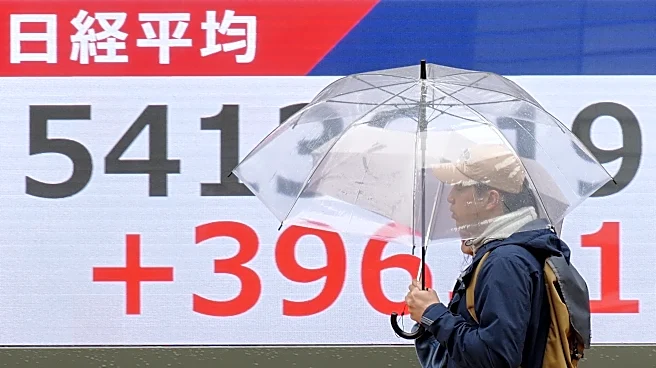
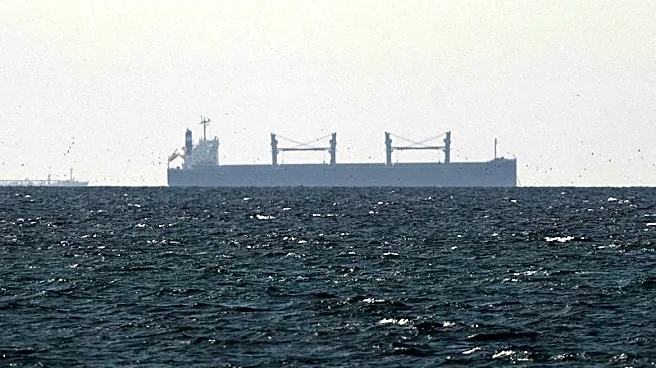
oil losses expected to double in April compared to March. The conflict has disrupted shipments through the Strait of Hormuz, a critical oil transit route, exacerbating the supply shortage. U.S. President Donald Trump announced plans to withdraw American forces from Iran, which temporarily boosted financial markets. However, the IEA cautions that the current crisis surpasses previous oil crises in magnitude, with significant impacts on global economic growth and energy rationing in some countries.
Why It's Important?
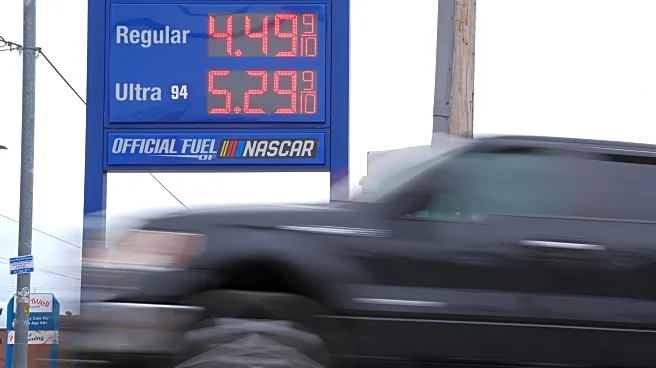
The escalating oil supply crisis has far-reaching implications for global economies, particularly emerging markets that are heavily reliant on energy imports. The disruption in oil and gas supplies is likely to drive up inflation and slow economic growth, potentially leading to energy rationing. The situation underscores the vulnerability of global energy markets to geopolitical conflicts and highlights the need for diversified energy sources. The crisis could accelerate the transition to renewable energy as countries seek to reduce dependence on volatile oil markets. Additionally, the strategic release of oil reserves by the IEA may provide temporary relief but underscores the need for long-term solutions to energy security.
What's Next?
As the situation develops, the IEA may consider releasing more strategic oil reserves to mitigate the supply crunch. The withdrawal of U.S. forces from Iran could lead to a de-escalation of the conflict, potentially stabilizing oil markets. However, the long-term impacts on global energy supply chains and economic growth remain uncertain. Countries may increase investments in renewable energy and alternative fuels to reduce reliance on oil imports. The geopolitical landscape will continue to influence energy policies and market dynamics, with potential shifts in alliances and trade agreements.