





What's Happening?
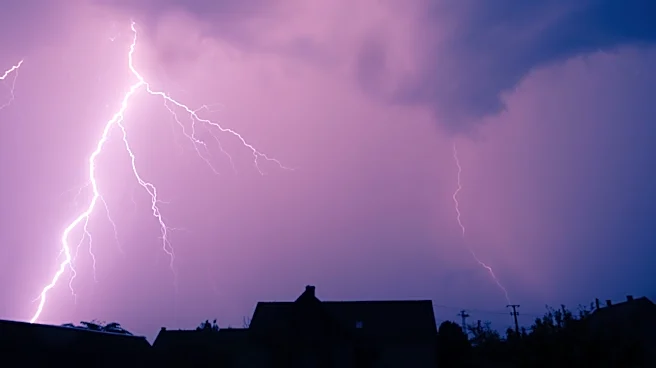
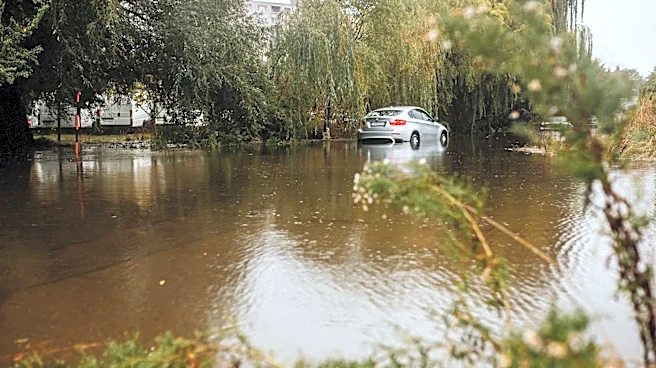
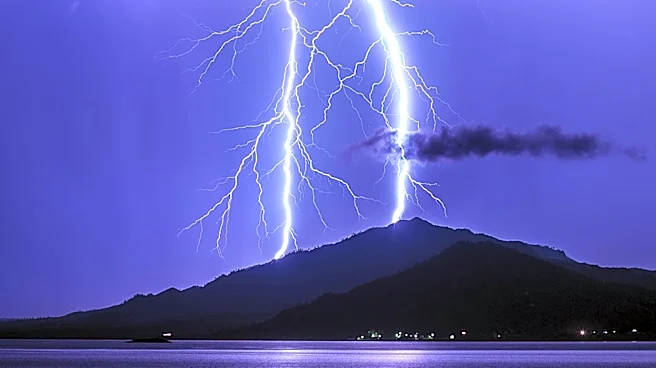
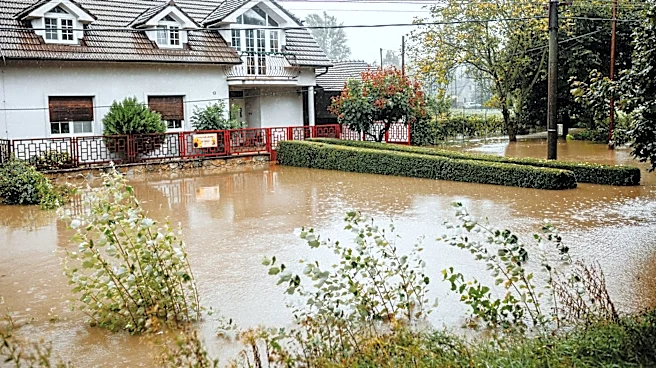
New York City is experiencing significant travel disruptions due to thunderstorms bringing heavy rainfall and flooding. The New York City Emergency Management Department has advised residents to allow extra time for travel as excessive rainfall poses
a risk of flooding streets and underpasses. The storm has already led to the cancellation of 960 flights at the city's major airports. A flood watch is in effect from western Massachusetts to northeast Maryland, including New York City, as the region braces for up to 3 inches of rain. The storm system, which previously affected the Midwest, has caused widespread power outages and travel disruptions.
Why It's Important?
The severe weather in New York City highlights the challenges urban areas face in managing the impacts of climate change-induced extreme weather events. The disruptions to air travel and local transportation systems underscore the need for resilient infrastructure and effective emergency management strategies. The economic impact of such events can be significant, affecting businesses, commuters, and the tourism industry. As climate change continues to increase the frequency and intensity of storms, cities must prioritize adaptation measures to protect residents and minimize economic losses.
What's Next?
In response to the ongoing threat of severe weather, New York City may need to enhance its flood management and emergency response capabilities. This could involve investing in infrastructure improvements, such as upgrading drainage systems and flood defenses, as well as increasing public awareness and preparedness. The city may also need to collaborate with regional and federal agencies to develop comprehensive strategies for managing the impacts of climate change. As the storm system moves through the region, authorities will continue to monitor conditions and provide updates to residents.