






What's Happening?
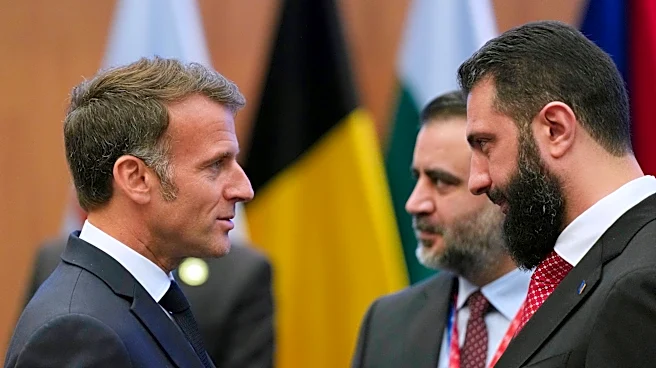
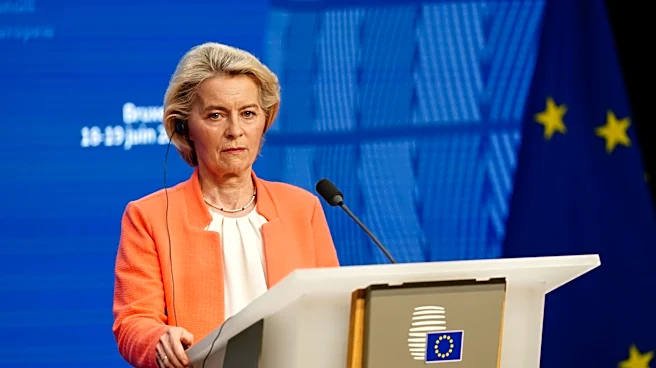
European leaders convened a secret summit to discuss strategies for reducing dependence on the United States amid President Trump's second term. The meeting, held at the European Council's headquarters in Brussels, was attended by nearly 30 national leaders.
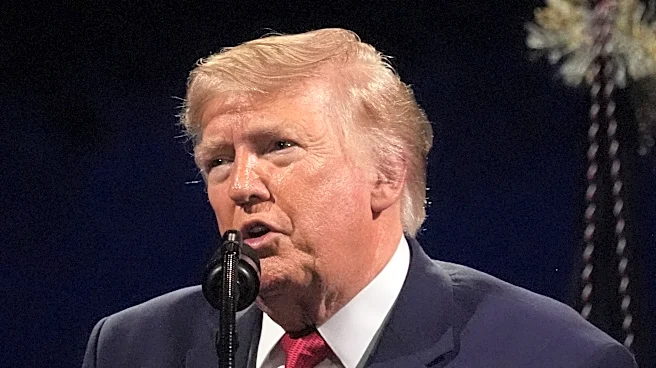
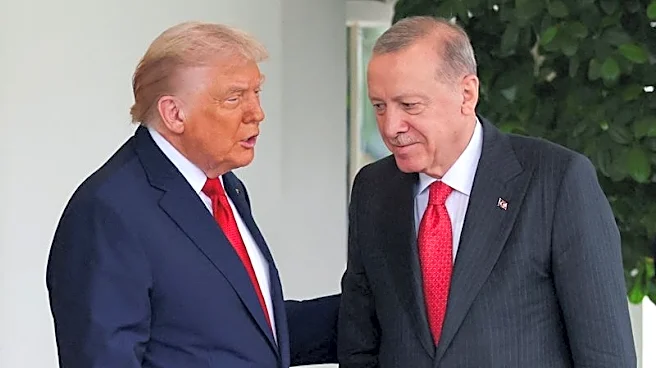
The summit was prompted by a series of actions and statements from President Trump that have strained transatlantic relations, including his suggestion to acquire Greenland and his inconsistent stance on tariffs. The leaders, including French President Emmanuel Macron and Belgian Prime Minister Bart De Wever, expressed concerns about Europe's future as a potential 'vassal state' of Washington. The discussions were described as a 'group therapy' session, highlighting the deep-seated anxiety among European nations about the current U.S. administration.
Why It's Important?
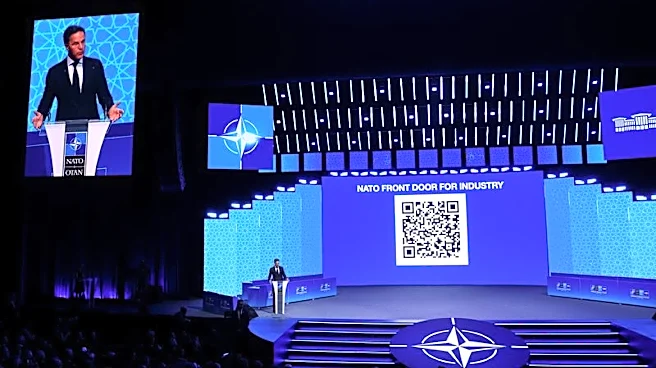
The summit underscores the growing rift between the U.S. and its European allies, which could have significant implications for global security and economic stability. European leaders are increasingly questioning the reliability of the U.S. as a partner, which may lead to a shift in alliances and a reevaluation of defense and economic strategies. This development could weaken NATO's cohesion and alter the balance of power in international relations. The potential for Europe to seek greater autonomy from the U.S. could also impact American influence in global affairs, affecting trade, security, and diplomatic engagements.
What's Next?
European leaders are likely to continue exploring ways to strengthen their collective security and economic independence from the U.S. This may involve increased collaboration within the European Union and with other global powers. The situation could prompt further diplomatic engagements and policy adjustments as Europe navigates its relationship with the U.S. under President Trump's leadership. Additionally, the U.S. administration may need to address these concerns to prevent further deterioration of transatlantic relations.
Beyond the Headlines
The secret summit highlights a broader trend of shifting global alliances and the potential decline of U.S. hegemony. As European nations seek to assert their independence, there may be long-term implications for international governance structures and the global order. This development also raises questions about the future of multilateralism and the role of traditional alliances in addressing global challenges such as climate change, cybersecurity, and economic inequality.