






What's Happening?
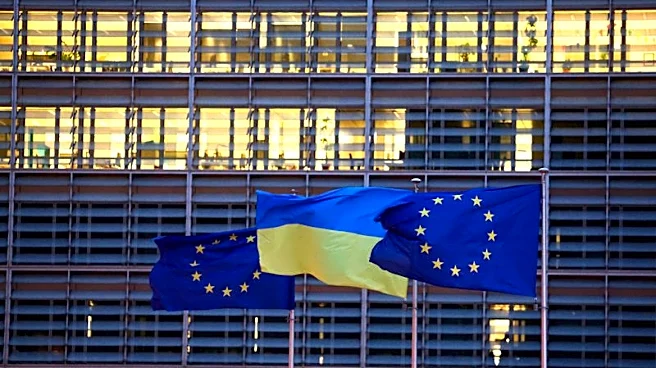
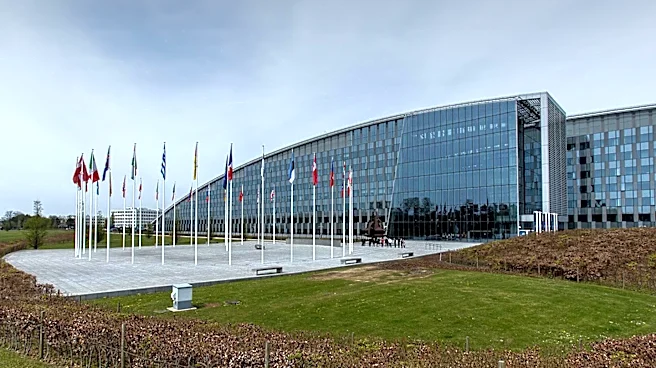
NATO and European Union officials recently convened at NATO Headquarters to discuss critical defense and security issues. European Defence Commissioner Andrius Kubilius met with NATO Secretary General Mark Rutte and addressed NATO ambassadors in the North
Atlantic Council on October 28. Key topics included military readiness, increasing defense production, and continued support for Ukraine. A central focus of the discussions was military mobility, with both organizations working to streamline the movement of troops and military equipment across Europe. This involves addressing regulatory obstacles and ensuring that transport infrastructure can adequately support military movements. NATO acknowledged progress in cooperation with the EU but emphasized the need for further work to meet military readiness requirements. The discussions also covered military assistance to Ukraine, with Secretary General Rutte commending the EU's decision to fund NATO’s Prioritised Ukraine Requirements List (PURL) through the Ukraine Support Loan, which facilitates the delivery of essential military equipment, including air defense systems.
Why It's Important?
The collaboration between NATO and the EU on military mobility and defense production is crucial for enhancing collective security in Europe, directly impacting U.S. strategic interests. Improved military mobility allows for faster deployment of forces and equipment, which is vital for rapid response to potential threats and for maintaining deterrence. This efficiency reduces logistical burdens and operational costs for U.S. forces stationed in or deploying to Europe. Increased defense production within Europe can also lessen the reliance on U.S. defense industries for certain equipment, potentially freeing up U.S. resources for other strategic priorities. Furthermore, the coordinated support for Ukraine, particularly through funding mechanisms like the Ukraine Support Loan for PURL, directly aligns with U.S. foreign policy objectives of supporting Ukraine's sovereignty and defense against aggression. This joint effort demonstrates a unified front against external threats, reinforcing the transatlantic alliance and sharing the burden of security, which is beneficial for U.S. taxpayers and military readiness.
What's Next?
The ongoing discussions between NATO and the EU are expected to lead to further concrete steps in improving military mobility and defense production. Future efforts will likely focus on implementing agreed-upon measures to reduce regulatory hurdles and upgrade infrastructure to better accommodate military movements. Continued coordination on military assistance to Ukraine will also be a priority, with both organizations working to ensure the timely delivery of critical defense equipment. This sustained collaboration will aim to enhance the overall military readiness of NATO and EU member states, ensuring a more robust and agile defense posture in Europe. The commitment to funding initiatives like PURL suggests a long-term strategy for supporting Ukraine's defense capabilities, which will require ongoing financial and logistical planning from both the EU and NATO.
Beyond the Headlines
The emphasis on military mobility and defense production reflects a broader strategic shift towards greater self-sufficiency and interoperability within the transatlantic alliance. This move is not merely about logistical efficiency but also about strengthening the industrial base of European defense, which has long been a point of discussion among NATO members. By addressing regulatory barriers and investing in infrastructure, NATO and the EU are building a more resilient and integrated defense ecosystem. This could have long-term implications for defense procurement, potentially fostering greater standardization of equipment and procedures among member states. The sustained support for Ukraine also underscores the evolving nature of international security, where economic and military aid are intertwined with geopolitical objectives. This integrated approach aims to project stability and deter aggression, shaping the future of European security architecture and the role of the U.S. within it.