






What's Happening?
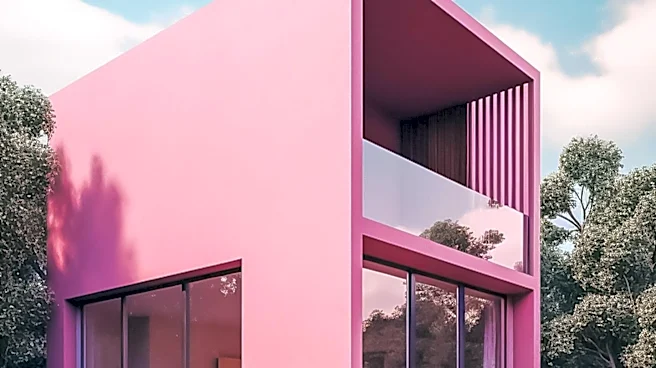
At least 11 homes in a Henderson neighborhood, specifically at the corner of Stanza and Calestano Avenue in the Inspirada community, have reportedly turned pink after years of sun exposure. Homeowner Robert Nanos stated that the discoloration began four
years ago and progressively worsened. The affected areas are those most exposed to the sun. Nanos initially ignored the issue until his homeowners association (HOA) flagged it during an inspection. However, the HOA later backed off after observing the widespread nature of the problem in the neighborhood. Nanos repainted his pillars to demonstrate the original color versus the current pink hue. He considered selling his home but was informed by his real estate agent that the pink color would make it significantly harder to sell. Century Communities, the builder of the development, maintains that the fading or discoloration of paint after nearly a decade in the Nevada sun is normal wear and tear, and is considered standard home maintenance, which is the homeowner's responsibility according to their warranty manual. The warranty explicitly states that environmental factors cause paint to fade over time and this is not considered a construction defect.
Why It's Important?
This situation highlights a significant consumer protection issue within the U.S. housing market, particularly in regions with extreme weather conditions like the Nevada desert. The dispute between homeowners and Century Communities over what constitutes a 'defect' versus 'normal wear and tear' could set a precedent for future warranty claims and builder responsibilities. If the homeowners succeed in their lawsuit, it could compel builders to use more durable materials or offer extended warranties in challenging environments, potentially increasing construction costs but also enhancing consumer confidence. Conversely, if the builder's stance prevails, homeowners in similar climates might face unexpected and substantial maintenance costs for issues they perceive as structural or material failures rather than routine upkeep. This case also underscores the importance of thoroughly understanding home warranty terms and conditions before purchasing a property, especially regarding environmental impacts on building materials.
What's Next?
Robert Nanos and at least two other homeowners have joined a lawsuit against Century Communities. They are arguing that the color change is a defect and that they should not be responsible for the estimated $4,000 repainting cost per home. Nanos has expressed his determination to continue the fight, stating he will not 'go away' and expects the builder to honor what he believes is a 10-year warranty. The legal proceedings will likely focus on interpreting the terms of the warranty, specifically what constitutes a 'construction defect' versus 'normal wear and tear' in the context of environmental factors. The outcome of this lawsuit could influence how similar disputes are handled in the future and may lead to adjustments in warranty language or building material standards in sun-exposed regions. Other homeowners in the affected neighborhood and potentially in other developments by Century Communities will be closely watching the progress and resolution of this legal challenge.
Beyond the Headlines
The 'pink house' phenomenon in Henderson extends beyond a simple aesthetic issue; it touches upon broader themes of corporate responsibility, consumer rights, and the long-term sustainability of construction practices in diverse climates. The homeowners' struggle to hold the builder accountable for what they perceive as a material failure, despite the builder's warranty disclaimers, raises questions about the adequacy of current building codes and material specifications for extreme environmental conditions. This case could prompt a reevaluation of how 'durability' and 'longevity' are defined and guaranteed in residential construction, particularly as climate change introduces more intense weather patterns. Furthermore, the difficulty Nanos faced in selling his 'pink' home highlights the economic impact of such issues on property values and the financial well-being of homeowners, even if the problem is deemed merely cosmetic. It underscores the need for clearer industry standards and potentially stronger consumer protections against unforeseen material degradation.