




What's Happening?
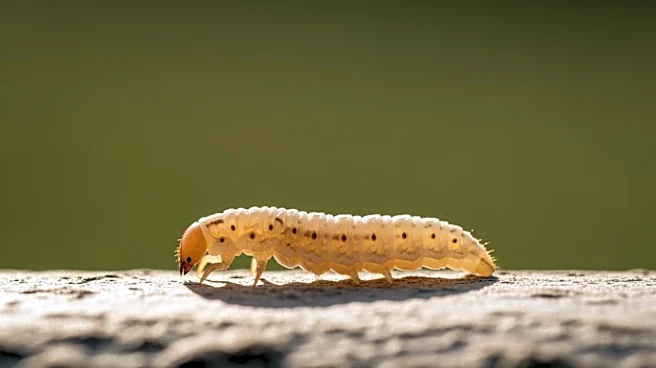
A 58-year-old woman in Greece experienced a rare case of nasal myiasis, where larvae of the sheep bot fly (Oestrus ovis) were found in her sinuses. The woman, who worked near grazing sheep, developed facial pain and a severe cough before sneezing out
the larvae. An ear, nose, and throat specialist surgically removed 10 larvae and one pupa from her sinuses. This case is unusual as O. ovis typically affects the eyes in humans, and pupation within a human host is considered biologically implausible. The woman recovered fully after surgical removal and nasal decongestants.
Why It's Important?
This case highlights the potential for zoonotic infections, where parasites typically affecting animals can occasionally infect humans. It underscores the need for awareness among medical professionals in regions where such parasites are endemic. The case also raises questions about the adaptability of O. ovis larvae in human hosts, suggesting possible evolutionary changes. Understanding such infections is crucial for developing preventive measures and treatment protocols, especially for individuals working in close proximity to livestock.
Beyond the Headlines
The occurrence of pupation in a human host, previously deemed biologically implausible, suggests potential unknown anatomical or physiological factors that may allow such development. This case could prompt further research into the adaptability of parasites and their life cycles in atypical hosts. It also emphasizes the importance of monitoring and studying zoonotic diseases as they can have unexpected implications for human health.