

What's Happening?
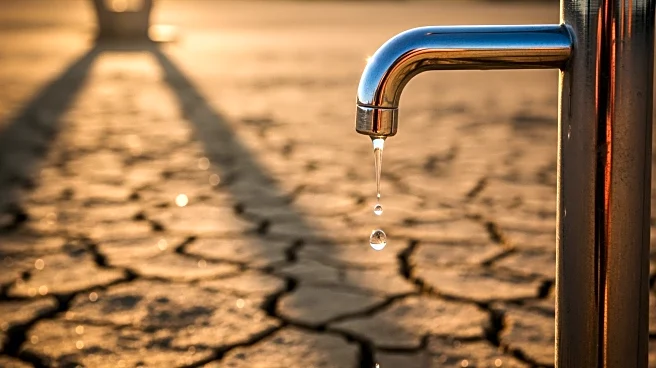
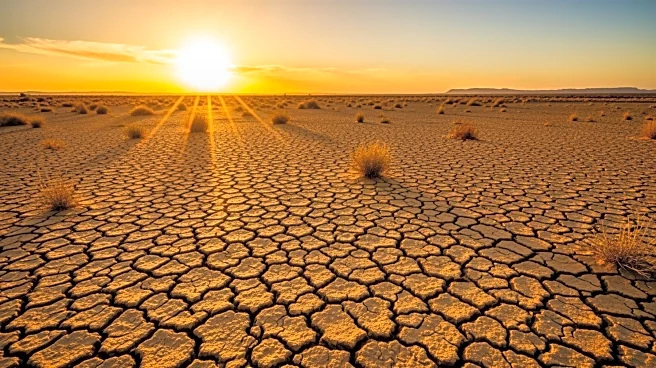
A severe heat wave has shattered March temperature records across the U.S. Southwest, with temperatures reaching 110 degrees Fahrenheit in the Arizona desert. This extreme weather event is attributed to climate change, as experts note that such unprecedented
conditions are becoming more frequent. The World Weather Attribution group reported that the March heat wave would have been virtually impossible without human-induced climate change. The National Oceanic and Atmospheric Administration's Climate Extremes Index indicates that the area affected by extreme weather in the U.S. has doubled over the past two decades.
Why It's Important?
The increasing frequency and intensity of extreme weather events pose significant risks to public safety, infrastructure, and the economy. The Southwest, accustomed to high temperatures, is now facing these conditions months earlier than usual, which could strain resources and emergency response systems. The rise in extreme weather events is also impacting insurance markets, as companies reassess risks and coverage. This trend underscores the urgent need for climate adaptation and mitigation strategies to protect communities and economies from the escalating impacts of climate change.
What's Next?
As climate change continues to drive extreme weather, policymakers and communities will need to enhance their preparedness and resilience strategies. This includes updating infrastructure to withstand higher temperatures, improving emergency response plans, and investing in sustainable practices to reduce carbon emissions. The insurance industry may also see shifts as companies adjust their models to account for increased risks, potentially affecting coverage availability and costs for consumers.
Beyond the Headlines
The ongoing climate crisis raises ethical and policy questions about responsibility and action. As extreme weather events become more common, there is a growing call for international cooperation and stronger climate policies to address the root causes of climate change. The situation also highlights the need for equitable solutions that consider the disproportionate impact on vulnerable communities.