









What's Happening?
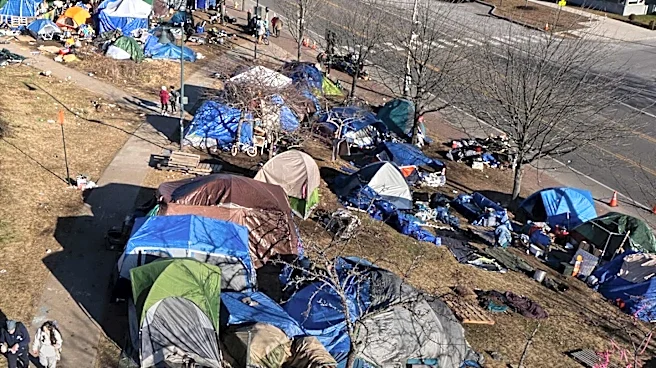
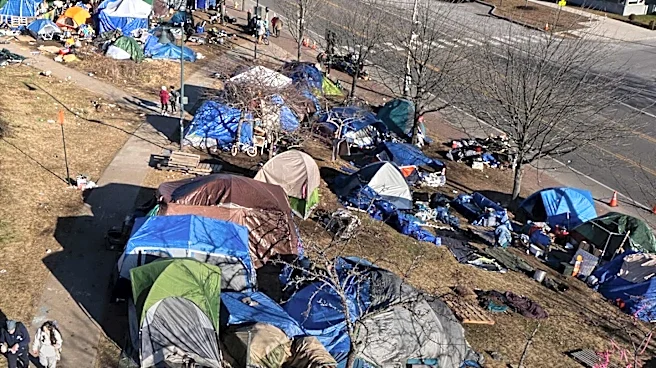
A large homeless encampment in Chapin Park, south Wichita, was cleared on October 13. This action has drawn criticism from advocacy groups like Safe Streets Wichita, which argues that forced displacement of homeless individuals can lead to negative consequences.
Cat Butler, outreach coordinator for Safe Streets Wichita, cited a study indicating that such displacements directly cause a 65% surge in nonfatal drug overdoses. Butler emphasized that the clearance did not provide alternative housing solutions, leaving displaced individuals without recourse. The consistent location of the encampment previously allowed organizations to build rapport and consistently deliver aid, including life-saving measures like Naloxone, to those suffering from substance usage, eviction, and mental health illnesses. The dispersal of the encampment now makes it significantly harder for these groups to locate and provide necessary preventative care and resources to the vulnerable population.
Why It's Important?
The clearing of the Chapin Park encampment highlights a critical issue in how U.S. cities address homelessness, particularly concerning public health and social welfare. The potential for a significant increase in nonfatal drug overdoses, as suggested by Safe Streets Wichita, underscores the public health risks associated with displacement without adequate support systems. This approach can strain emergency services and healthcare facilities as overdose incidents rise. Furthermore, it disrupts established networks of aid and support that outreach organizations provide, making it more challenging to address underlying issues such as substance abuse and mental health. The situation also raises questions about the effectiveness and ethics of policies that prioritize clearing encampments over providing sustainable housing and support, potentially exacerbating the very problems they aim to resolve and creating a more dispersed, harder-to-reach homeless population.
What's Next?
Advocates like Cat Butler are calling for more comprehensive solutions beyond simply displacing homeless individuals. The immediate next steps will likely involve increased efforts by outreach groups to locate and re-establish contact with those dispersed from Chapin Park, which will be a more resource-intensive and challenging task. There may be continued public discourse and pressure on Wichita city officials to develop and implement more humane and effective strategies for addressing homelessness, potentially including increased funding for shelters, transitional housing, and mental health and substance abuse services. The long-term impact could include a more fragmented homeless population, making it harder for service providers to deliver consistent care and potentially leading to increased public health crises if the predicted rise in drug overdoses materializes. Community leaders and advocacy groups will likely continue to push for policy changes that prioritize support and housing over displacement.
Beyond the Headlines
The situation in Wichita reflects a broader national debate on how communities manage homelessness and the ethical implications of clearing encampments. Beyond the immediate public health concerns, such actions can further marginalize already vulnerable populations, eroding trust between homeless individuals and public services. The argument that 'Chapin Park was kind of like a safe haven' for its residents suggests that these encampments, despite their challenges, can offer a sense of community and stability that is lost upon displacement. This raises deeper questions about the right to shelter and the societal responsibility to provide basic human needs. The approach taken by cities can also influence public perception and empathy towards the homeless, potentially hardening attitudes if the focus remains solely on removal rather than rehabilitation and support. This event could serve as a case study for other U.S. cities grappling with similar issues, prompting a re-evaluation of current strategies and a shift towards more integrated, compassionate solutions.