

What's Happening?
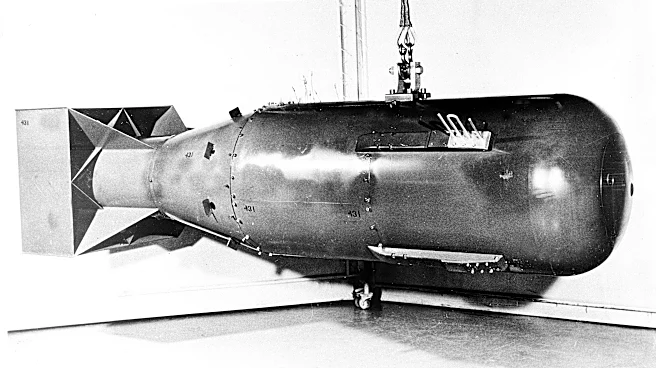
Hiroshima Mayor Kazumi Matsui has called for the abolition of nuclear weapons during the 81st anniversary of the atomic bombing of Hiroshima. In his Peace Declaration, Matsui emphasized the catastrophic consequences of nuclear weapon use and urged world
leaders to lead by example in nuclear disarmament. The call comes after the recent failure of the Nuclear Non-Proliferation Treaty review conference to reach a consensus, amid ongoing global conflicts. Matsui criticized political leaders for blaming others to justify their actions, which he claims undermines global peace and stability. The ceremony was attended by representatives from 121 countries and regions, including the European Union, but notably absent was the U.S. Ambassador to Japan.
Why It's Important?
The call for nuclear disarmament is significant as it highlights the ongoing global tensions and the potential threat posed by nuclear weapons. The failure of the Nuclear Non-Proliferation Treaty review conference to reach a consensus underscores the challenges in achieving global nuclear disarmament. Hiroshima's appeal serves as a reminder of the devastating impact of nuclear weapons and the need for multilateral efforts to prevent their use. The involvement of younger generations in advocating for nuclear abolition is crucial for creating a future where reliance on nuclear deterrence is not an option.
What's Next?
Matsui urged Japan to participate as an observer in the upcoming review conference of the Treaty on the Prohibition of Nuclear Weapons in November. This participation could signal Japan's commitment to nuclear disarmament, despite its reliance on the U.S. nuclear umbrella. The international community may respond to Hiroshima's call by increasing diplomatic efforts to address nuclear non-proliferation and disarmament. The involvement of civil society and younger generations in advocating for peace and nuclear abolition could influence policymakers to take concrete actions towards disarmament.