


What's Happening?
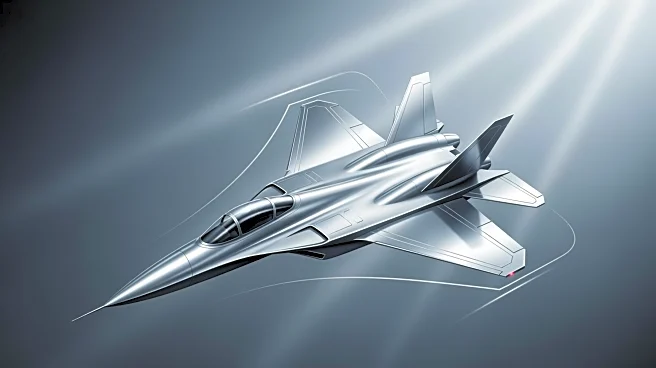
Maj. Gen. Jonas Wikman, commander of the Swedish Air Force, discussed Sweden's future fighter program and the role of the Gripen aircraft in an interview. Sweden is undergoing a major modernization of its combat capabilities, including the integration
of new electronic-warfare technologies on the Gripen E. The country is also increasing its defense spending by $2.9 billion in 2026. Wikman highlighted the importance of developing a next-generation fighter platform, which may involve a combination of national projects and international cooperation. The Swedish Air Force is also focusing on enhancing its capabilities to detect and engage low and slow targets, such as drones, as demonstrated in recent operations in Poland.
Why It's Important?
Sweden's efforts to modernize its air force and increase defense spending reflect broader security concerns in Europe, particularly regarding Russia. The development of advanced fighter capabilities and electronic-warfare technologies is crucial for maintaining a strategic edge and fulfilling NATO commitments. The Gripen's role in air policing missions and its ability to engage diverse threats underscore its importance in Sweden's defense strategy. These developments also have implications for international defense collaborations, as Sweden's advancements may influence procurement decisions in other countries, such as Canada's interest in the Gripen.
What's Next?
Sweden will continue to evaluate its options for the next-generation fighter platform, with decisions expected at the political level in the coming year. The Swedish Air Force will focus on balancing operational readiness with capability development, particularly in light of its NATO commitments. Further enhancements to the Gripen's electronic-warfare suite and its integration into broader defense networks are anticipated. Sweden's defense strategy will likely continue to emphasize cooperation with international partners, both within NATO and beyond, to address shared security challenges.