



What's Happening?
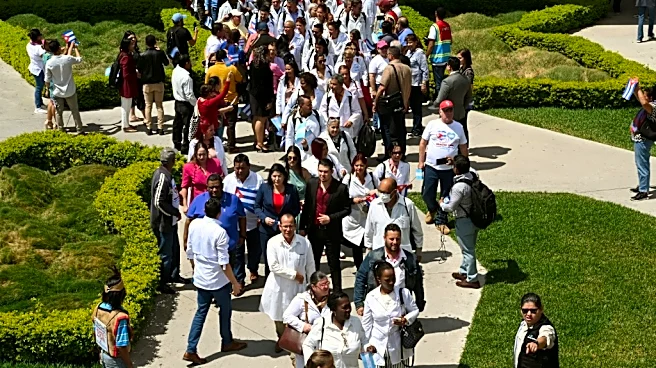
Cuban doctors, who have been providing essential medical services across the Caribbean and Latin America, are being expelled as countries in the region terminate agreements with Cuba under pressure from the United States. The US has labeled these agreements as 'forced
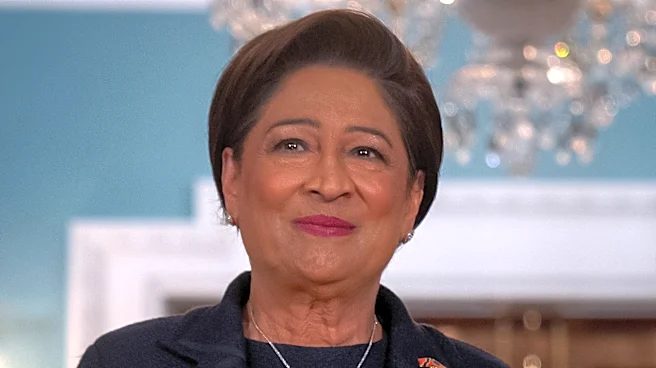
labor' and 'human trafficking' due to the Cuban state retaining a portion of the doctors' salaries. This move has led to the dismantling of long-standing health programs, leaving millions without basic healthcare services, particularly affecting Indigenous communities. Countries such as Guatemala, Honduras, Jamaica, and others have already ended these agreements, while only St Kitts and Nevis and Trinidad and Tobago have yet to comply. The situation has been exacerbated by US threats of visa and diplomatic sanctions.
Why It's Important?
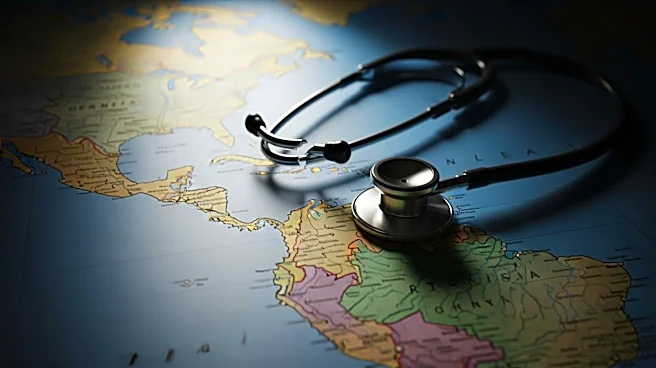
The termination of these medical agreements is significant as it disrupts healthcare services in regions that heavily rely on Cuban doctors for basic medical care. The withdrawal of Cuban medical personnel could lead to untreated illnesses and a strain on already fragile healthcare systems. This development also highlights the geopolitical tensions between the US and Cuba, with the US using economic and diplomatic pressure to influence regional policies. The loss of Cuban doctors not only impacts public health but also affects Cuba's economy, which benefits from the revenue generated by these medical missions. The situation underscores the broader implications of US foreign policy in the region and its impact on healthcare access for vulnerable populations.
What's Next?
As the US continues to exert pressure, it is likely that more countries in the region will terminate their agreements with Cuba, further straining healthcare systems. The Caribbean and Latin American countries may face increased public health challenges, and there could be growing calls for alternative solutions to address the healthcare void left by the absence of Cuban doctors. Additionally, the situation may lead to increased diplomatic tensions between the US and countries that choose to maintain their agreements with Cuba. The international community may also respond, with some countries potentially offering support to Cuba or criticizing the US's approach.
Beyond the Headlines
The expulsion of Cuban doctors raises ethical questions about the use of economic and diplomatic pressure to influence healthcare policies. It also highlights the challenges faced by small nations in balancing international relations with the need to provide essential services to their populations. The situation reflects broader issues of sovereignty and the impact of geopolitical strategies on public health. Furthermore, it brings attention to the role of medical diplomacy and the importance of international cooperation in addressing global health challenges.