






What's Happening?
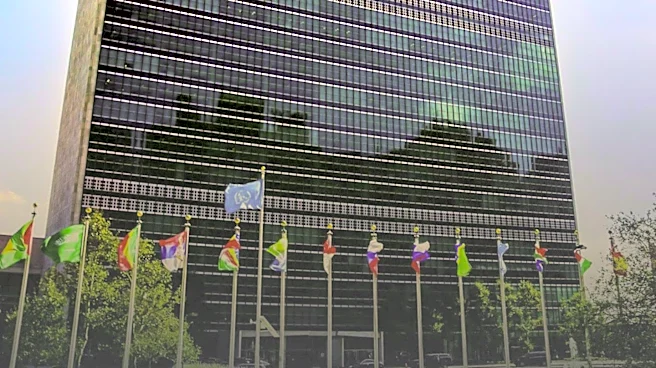
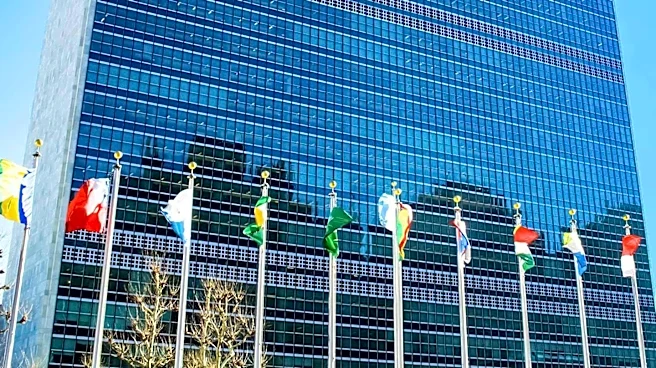
The International Organization for Migration (IOM), a United Nations agency, is seeking an International Consultant to lead the development of Iraq's National Migration Profile. Established in 1951, IOM works globally to promote humane and orderly migration,
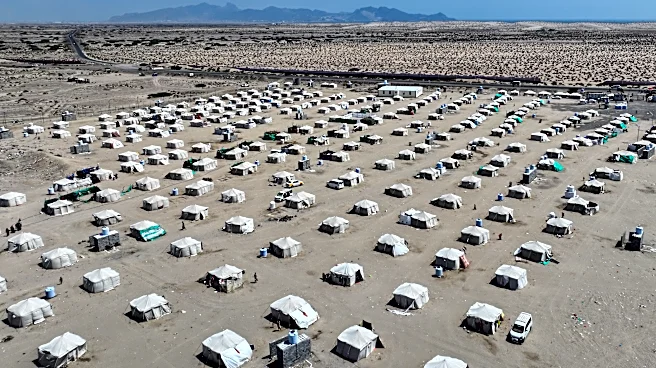
providing services and advice to governments and migrants. Iraq, identified as a country of origin, transit, destination, displacement, and return, faces complex migration dynamics including internal displacement, labor migration, and diaspora engagement. The Iraqi government has prioritized strengthening migration data collection and analysis, as current data are fragmented across various institutions. The consultant will be responsible for compiling and analyzing migration-related data, drafting a comprehensive report, and providing technical support to strengthen migration governance. This initiative aims to consolidate existing information, improve evidence-based policymaking, and enhance institutional coordination within Iraq's migration sector. The consultancy is open to international experts with a minimum of 10 years of experience in migration research or data/statistics and policy, with a strong preference for knowledge of Iraq's migration dynamics.
Why It's Important?
The development of Iraq's National Migration Profile is crucial for establishing a coherent and evidence-based approach to migration management in a region significantly impacted by displacement and migration flows. By consolidating fragmented data and providing a comprehensive analysis of migration trends, impacts, and governance, this initiative will enable the Iraqi government to formulate more effective policies. This is particularly important for the U.S. and its allies, as stable and well-managed migration in the Middle East can contribute to regional security and reduce humanitarian crises that often require international intervention. Improved migration governance in Iraq could also impact global migration patterns, potentially influencing the flow of migrants to Western countries, including the U.S. Furthermore, by strengthening Iraq's capacity to manage migration, the project indirectly supports broader U.S. foreign policy goals of promoting stability and good governance in the Middle East. The project's focus on data-driven policy will help address the root causes and consequences of irregular migration, which is a shared concern for many nations.
What's Next?
The selected International Consultant will embark on a nine-month assignment based in Baghdad, Iraq, involving frequent travel within the country. Key deliverables include an inception report, mapping of institutions and data systems, data collection and compilation, and the development of training materials. The consultant will also be responsible for preparing preliminary data analysis, drafting the full National Migration Profile, and facilitating a national validation workshop. The final output will be a comprehensive profile, an executive summary, and an indicator framework, along with recommendations for future updates. This process will involve close collaboration with the IOM project team, the Iraqi government, the Kurdistan Regional Government, UN agencies, and other stakeholders. The project aims to build national capacity to regularly update and utilize the Migration Profile for policy development, planning, monitoring, and reporting, ensuring a sustainable impact beyond the consultancy period. The successful implementation of this project could serve as a model for other nations facing similar migration challenges.
Beyond the Headlines
The initiative to develop Iraq's National Migration Profile extends beyond mere data collection; it represents a fundamental shift towards a more structured and humane approach to migration governance. The emphasis on a 'government-owned analytical and policy tool' highlights a commitment to national sovereignty and self-sufficiency in managing complex demographic shifts. This project implicitly addresses ethical considerations surrounding migrant protection and human rights by aiming to facilitate 'humane and orderly migration.' The collaborative process involving diverse national and international stakeholders underscores the interconnectedness of global migration challenges and the necessity of shared responsibility. By strengthening Iraq's capacity to manage migration, the project could mitigate the risks of exploitation and abuse faced by vulnerable populations, including refugees and internally displaced persons. This long-term investment in data infrastructure and policy development reflects a broader international recognition that effective migration management is essential for both national development and regional stability, ultimately contributing to a more predictable and secure global environment.