









What's Happening?
Immigrant advocates are accusing Immigration and Customs Enforcement (ICE) of a controversial tactic: dropping off released detainees in unfamiliar cities late at night without essential support. According to human rights volunteers, federal agents have
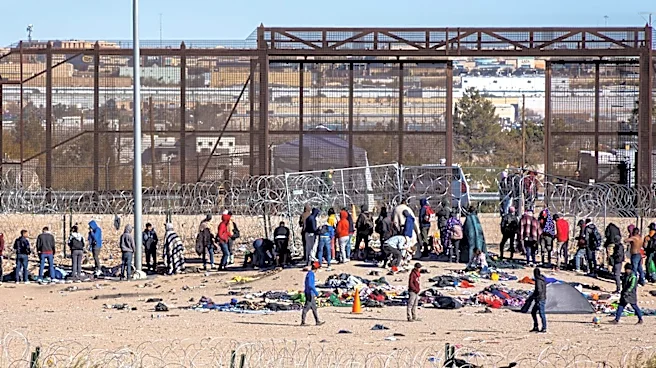
been leaving individuals, even those ordered released by judges from the Otay Mesa Detention Center, on the streets of San Ysidro. These detainees often lack charged phones, money, food, or any assistance to get home. One released detainee, Perez, a Guatemalan national, described being handcuffed, loaded into a van, and left at the San Ysidro Transit Center around 10 p.m., despite having no connections in San Diego. Advocates, like Brinkley Johnson of the Pope Francis Center, criticize this practice as cruel and unnecessary, arguing that it deliberately disregards the dignity of individuals.
Why It's Important?
The alleged practice of ICE releasing detainees in unfamiliar cities without support highlights a critical humanitarian concern within the U.S. immigration system. This tactic, if widespread, places vulnerable individuals at significant risk, potentially exacerbating their already precarious situations. It contradicts President Trump's claims that mass deportations target 'the worst of the worst,' as many released detainees are described as working-class people with families. The lack of basic provisions and assistance upon release can lead to homelessness, exploitation, and further distress for individuals who have already endured detention. This issue raises serious ethical questions about the treatment of individuals by federal agencies and the government's responsibility to ensure a safe and humane release process, even for those in administrative civil detention.
What's Next?
Immigrant advocates, such as Detention Resistance and the Pope Francis Center, are actively working to provide support for released detainees, offering temporary housing, food, and assistance with travel arrangements. These organizations are stepping in to fill the gap left by ICE's alleged practices. The accusations against ICE are likely to draw increased scrutiny from human rights organizations, legal advocates, and potentially congressional oversight committees. There will likely be calls for ICE to implement more humane release protocols, ensuring that individuals are released with adequate resources and connections to reach their destinations safely. This issue could also fuel broader debates about the conditions of immigration detention and the overall treatment of immigrants within the U.S. system.
Beyond the Headlines
The practice of releasing detainees without support in unfamiliar locations reveals a deeper systemic issue within the immigration enforcement apparatus: the dehumanization of individuals. By treating released detainees as logistical burdens rather than individuals with needs, the system risks eroding fundamental human dignity. This approach can have long-lasting psychological impacts on those affected, fostering distrust in authorities and exacerbating feelings of isolation. Furthermore, it places an undue burden on local communities and non-profit organizations to provide essential services that arguably should be part of a responsible release process. This situation underscores the ethical imperative for immigration policies to balance enforcement with humanitarian considerations, ensuring that even in detention and release, individuals are treated with respect and provided with basic necessities.