








What's Happening?
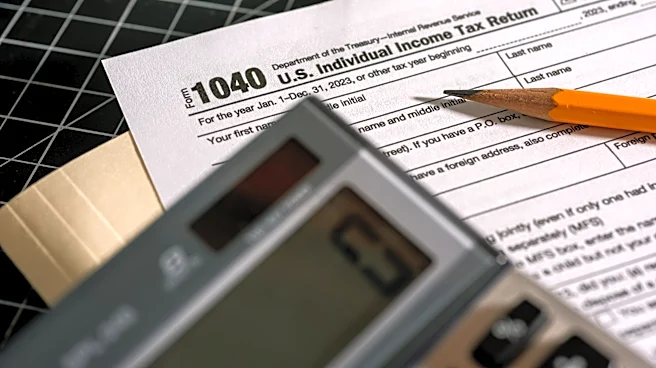
The Internal Revenue Service (IRS) has granted tax relief to individuals and businesses in parts of Texas impacted by severe storms that began on July 14, 2026. This relief postpones various tax-filing and tax-payment deadlines to February 1, 2027. The affected
areas include numerous counties, such as Atascosa, Austin, Bandera, Bastrop, Bexar, and others. This extension applies to most federal individual and business tax returns, including income tax returns, partnership returns, and certain excise tax returns, that had original or extended due dates falling between July 14, 2026, and February 1, 2027. Estimated income tax payments due within this period are also postponed, and affected taxpayers will not face penalties for failure to pay estimated tax installments if payments are made by the new February 1, 2027, deadline. However, tax payments related to 2025 individual income tax returns, which were due on April 15, 2026, are not eligible for this relief. The IRS will automatically identify taxpayers in the covered disaster area for this relief.
Why It's Important?
This tax relief is crucial for Texans recovering from the severe July 2026 storms, providing them with much-needed time to manage their finances and tax obligations without the added burden of immediate deadlines. By postponing filing and payment dates, the IRS aims to alleviate financial stress and allow affected individuals and businesses to focus on recovery efforts. The waiver of fees for copies of previously filed tax returns further supports those who may have lost records due to the disaster. This measure helps prevent additional penalties and financial strain on communities already grappling with the aftermath of natural calamities. For businesses, the extended deadlines mean they can prioritize rebuilding operations and serving their communities, contributing to a faster economic recovery in the affected regions. The relief also highlights the government's role in providing support during natural disasters, ensuring that tax compliance does not hinder recovery.
What's Next?
Affected taxpayers who receive a late filing or late payment penalty notice with an original due date within the postponement period should contact the IRS to have the penalty abated. Taxpayers outside the covered disaster area but whose records are located within it can also request relief by calling the IRS Special Services toll-free number. The IRS may provide additional disaster relief in the future, and taxpayers are encouraged to consult their plan administrators or IRA providers for potential relief related to retirement plans. Those who do not qualify for disaster tax relief may still be eligible for reasonable cause penalty abatement. The IRS website, IRS.gov, will continue to provide the latest information and resources for affected taxpayers.