




What's Happening?
Two groups of YMCA campers were rescued after being stranded in a remote area of Ontario, Canada, due to wildfires. The campers, aged 16 to 18, were on advanced canoe trips in Wabakimi Provincial Park when changing fire conditions prevented their evacuation.
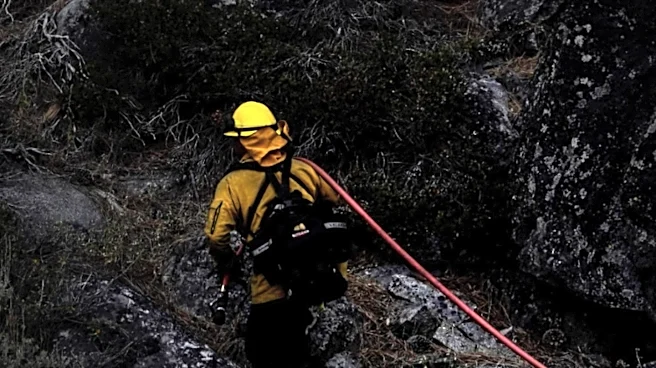
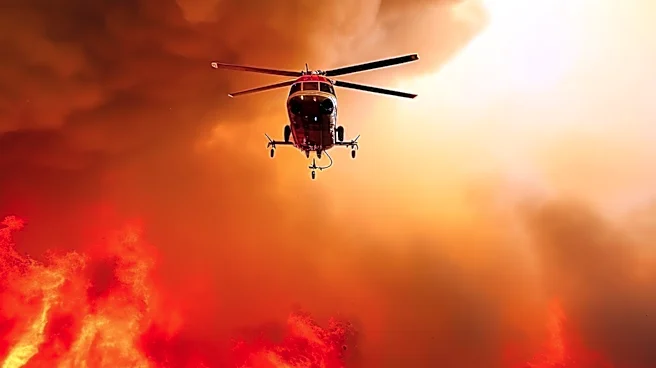
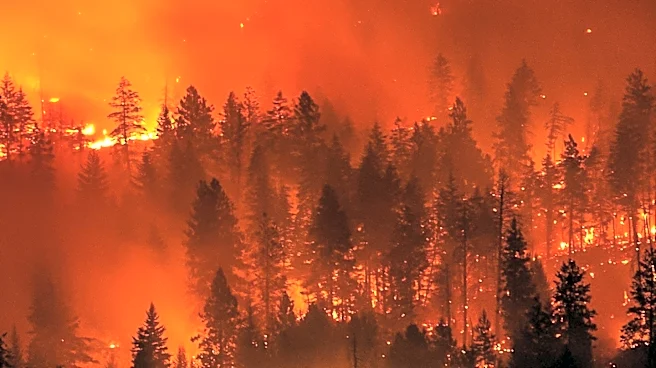
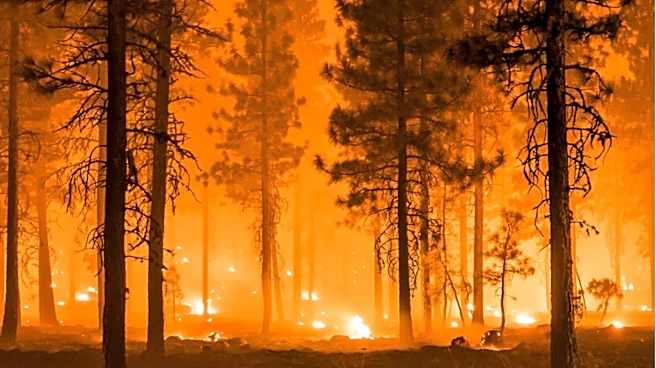
The Minnesota Department of Natural Resources reported that the wildfires, sparked by a lightning storm on July 6, have burned approximately 55,000 acres across northeastern Minnesota. The fires, known as the July Lightning Event, have been exacerbated by extreme heat, dry conditions, and strong winds. The rescue operation involved more than 150 firefighters, 18 aircraft, and four Minnesota National Guard helicopters, with assistance from Canadian authorities. Both groups of campers were safely extracted, one by plane and the other by helicopter, and are now returning to Minnesota.
Why It's Important?
The incident highlights the increasing frequency and intensity of wildfires in the region, posing significant risks to public safety and natural resources. The rapid response and collaboration between U.S. and Canadian authorities underscore the importance of cross-border cooperation in emergency situations. The wildfires threaten not only the safety of individuals in the affected areas but also the ecological balance of the Boundary Waters Canoe Area Wilderness. The situation serves as a reminder of the need for preparedness and adherence to safety protocols during such natural disasters. The economic impact on local communities, reliant on tourism and outdoor activities, could be substantial if the fires continue to spread.
What's Next?
Authorities are urging residents and visitors in the affected areas to follow safety instructions and remain vigilant. The Minnesota Department of Natural Resources has emphasized the need for caution, as the fire environment remains active. Efforts to contain the wildfires will continue, with ongoing monitoring and resource deployment. The situation may prompt discussions on improving fire management strategies and enhancing emergency response capabilities. Additionally, the incident could lead to increased awareness and advocacy for addressing climate-related challenges that contribute to the frequency of such events.