



What's Happening?
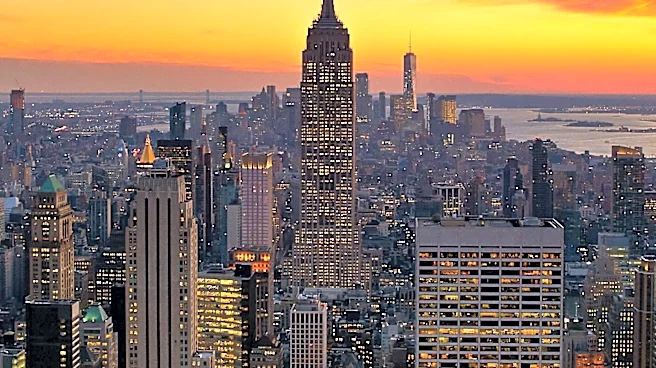
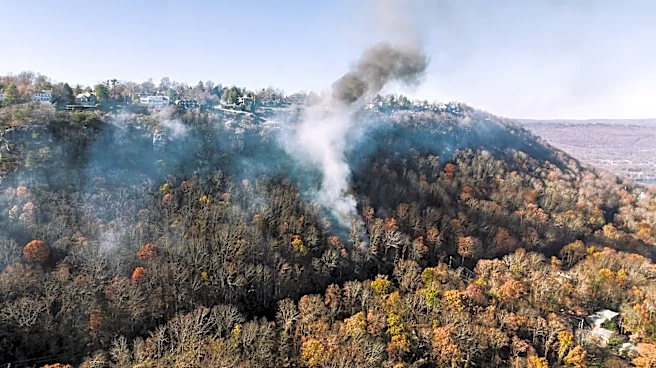
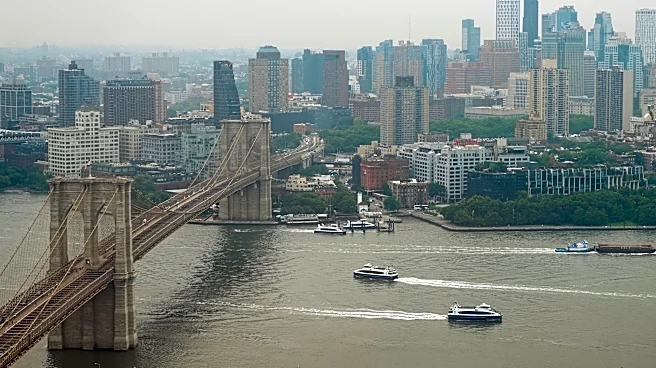
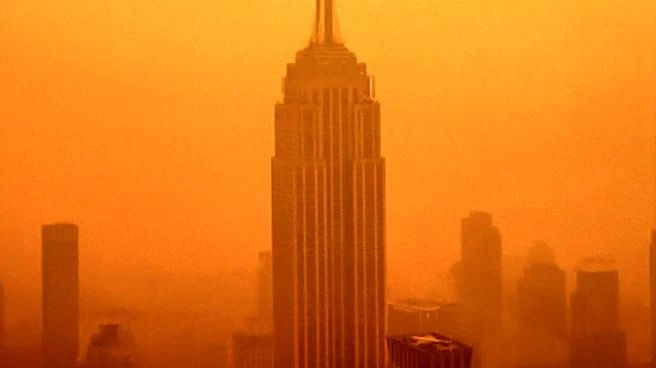
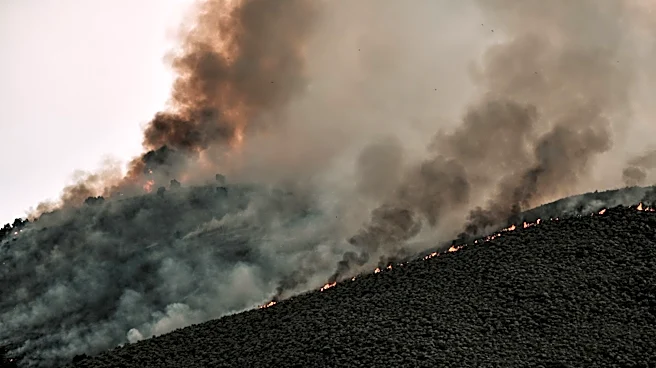
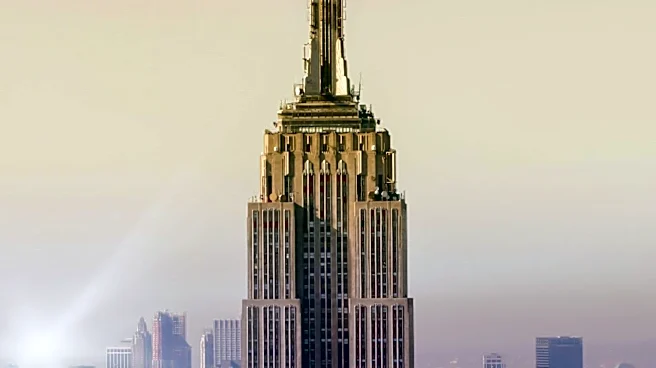
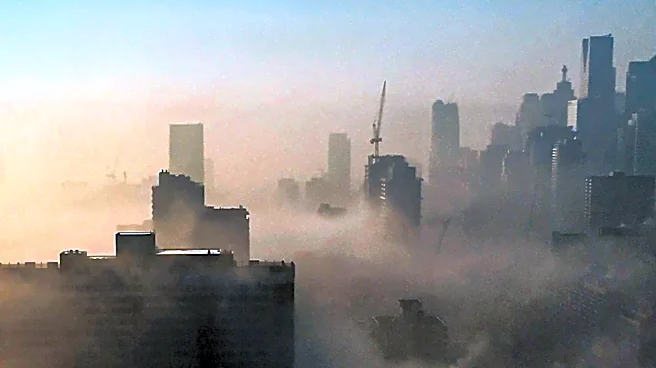
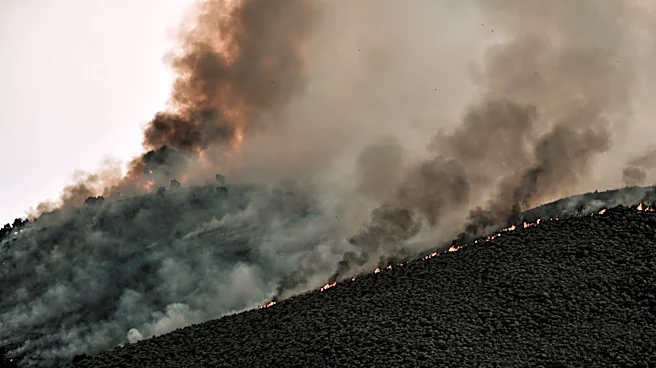
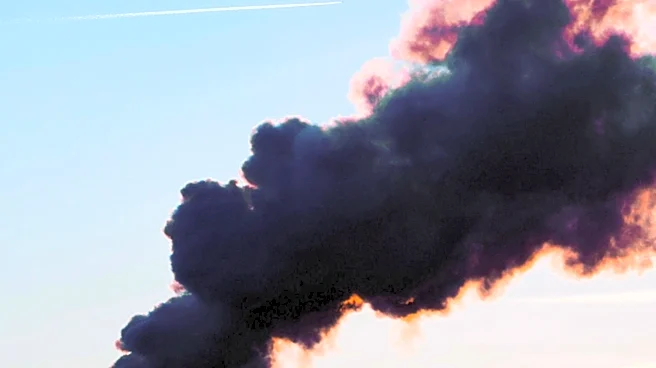
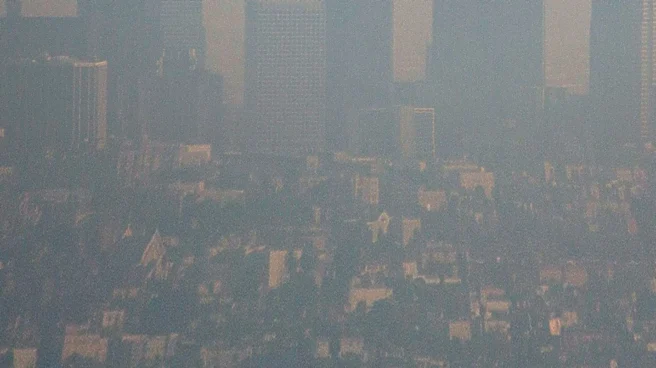
New York City is experiencing deteriorating air quality due to smoke from Canadian wildfires. The Air Quality Index (AQI) has reached levels considered 'unhealthy for sensitive groups,' with some areas potentially reaching hazardous conditions. The AQI measures
pollutants such as ground-level ozone and particulate matter, which can cause respiratory issues and exacerbate chronic health conditions. Residents are advised to limit outdoor activities, use air purifiers indoors, and wear N95 masks if necessary. The situation is compounded by high heat and humidity, further impacting air quality.
Why It's Important?
The poor air quality in New York City poses significant health risks, particularly for vulnerable populations such as the elderly and those with pre-existing respiratory conditions. The situation highlights the broader environmental impact of wildfires, which are becoming more frequent and severe due to climate change. The need for effective air quality monitoring and public health advisories is critical to protect residents. The event underscores the interconnectedness of environmental issues across borders and the importance of international cooperation in addressing climate-related challenges.
What's Next?
Authorities will continue to monitor air quality levels and issue advisories as needed. Efforts to mitigate the impact of wildfire smoke may include public health campaigns and the distribution of protective equipment. Long-term strategies to address the root causes of increased wildfire activity, such as climate change mitigation and forest management, will be essential. The situation may prompt discussions on improving urban resilience to environmental hazards.