







What's Happening?
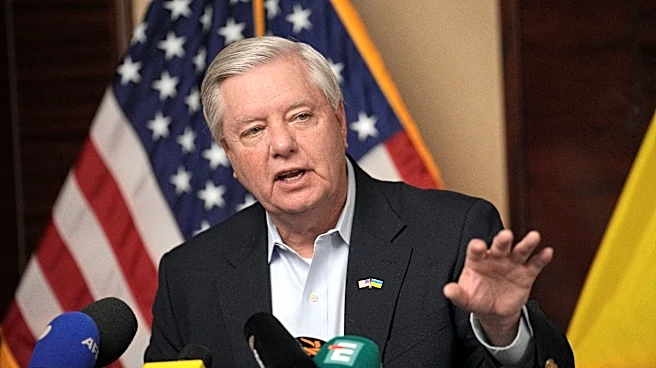
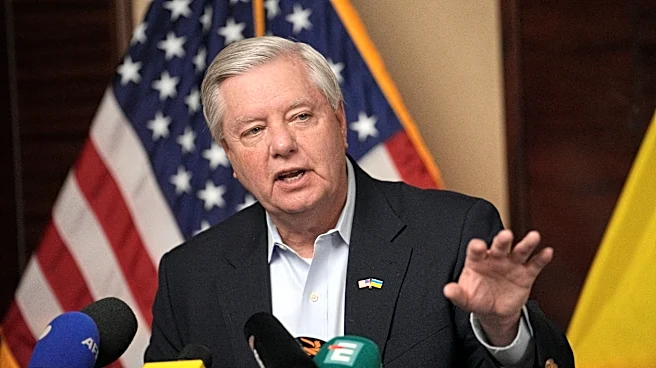
Following the death of Senator Lindsey Graham, South Carolina is set to appoint a new senator who will play a crucial role in U.S. foreign policy, particularly regarding military aid to Israel. Graham, who passed away from a heart attack, had been a staunch
supporter of Israel and a key figure in U.S. foreign aid decisions. Governor Henry McMaster is responsible for appointing an interim senator until a successor is elected. The Democratic Socialists of America (DSA) have been vocal in their opposition to U.S. military aid to Israel, advocating for the Boycott, Divestment, Sanctions movement. However, South Carolina has historically been pro-Israel, with laws and resolutions supporting the nation. The upcoming appointment and election will determine the future stance of South Carolina's representation in the Senate on this issue.
Why It's Important?
The appointment of a new senator from South Carolina is significant as it will influence the U.S.'s largest military aid commitment to Israel, amounting to $38 billion over ten years. This decision comes at a time when national sentiment towards Israel is shifting, with a growing number of Americans viewing Israel unfavorably. The DSA's position against military aid to Israel highlights a broader debate on U.S. foreign policy and military spending. South Carolina's pro-Israel stance is deeply rooted in its political and religious landscape, making the upcoming appointment and election pivotal in maintaining or altering this position. The outcome will impact U.S. foreign policy and the allocation of taxpayer dollars.
What's Next?
Governor McMaster has yet to announce his appointee for the interim Senate position, with candidate filing opening soon and a special primary scheduled. The appointed senator will have to address the ongoing debate over U.S. aid to Israel, balancing state and national interests. The special election will further determine the long-term representation of South Carolina in the Senate, with potential candidates from both parties being considered. The new senator will need to navigate the complex political landscape, addressing both the pro-Israel sentiment in South Carolina and the growing national debate on foreign aid.
Beyond the Headlines
The debate over U.S. aid to Israel reflects broader questions about the role of the U.S. in international conflicts and the ethical implications of military support. South Carolina's strong pro-Israel stance is not just a political position but is embedded in its legal framework and cultural identity. The DSA's arguments, while not mainstream in South Carolina, highlight a shift in younger generations' views on foreign policy. The upcoming appointment and election will test the durability of South Carolina's pro-Israel position and could signal changes in how foreign aid is debated and decided in the U.S.