

What's Happening?
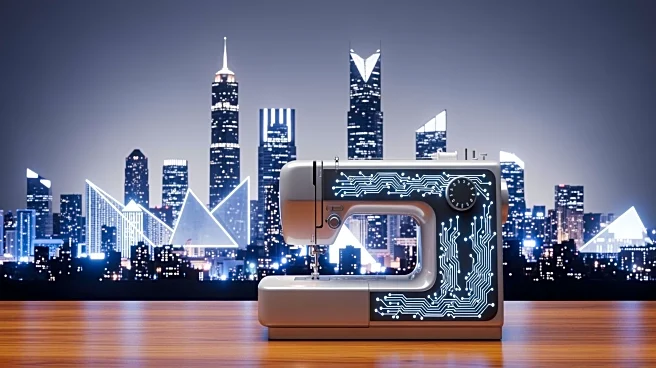
China's fashion industry is undergoing a significant transformation driven by the integration of artificial intelligence (AI) and urban renewal initiatives. The country's push to build a national computing power network and accelerate AI adoption is reshaping
the industrial logic of fashion. AI-driven design and digitally enabled supply chains are moving from experimentation to large-scale implementation. This shift is supported by a complete industrial chain and rapid digitalization, allowing China's fashion sector to evolve from technology adoption to innovation origination. Additionally, urban renewal has become a national priority under China's 15th Five-Year Plan, with fashion playing a key role in revitalizing industrial heritage and upgrading commercial districts. This integration of fashion with urban spaces is creating new consumption scenarios that blend culture and commerce.
Why It's Important?
The transformation of China's fashion industry has significant implications for global brands and the broader economy. The integration of AI and digital technologies enhances the speed and customization of fashion products, making the industry more competitive on a global scale. For international brands, this shift affects sourcing strategies and long-term competitiveness. Moreover, the focus on urban renewal positions fashion as a catalyst for urban regeneration, contributing to economic growth and cultural development. The emphasis on high-quality development and innovation as core drivers aligns with China's broader economic goals, potentially influencing global fashion trends and supply chain dynamics.
What's Next?
As China's fashion industry continues to evolve, global brands may need to adapt their strategies to align with the country's focus on AI and urban renewal. The emphasis on high-quality development and innovation suggests that future growth will be driven by technological advancements and cultural integration. Policymakers are likely to continue supporting these initiatives, creating opportunities for further collaboration between domestic and international fashion brands. The rise of the silver economy, with a focus on age-friendly products, also presents new market opportunities for fashion and beauty brands targeting mature consumers.
Beyond the Headlines
The integration of AI and urban renewal in China's fashion industry highlights broader trends in technological self-reliance and cultural confidence. The focus on sustainability and innovation reflects a shift towards more responsible and inclusive growth. As fashion becomes a strategic engine for economic development, it may also influence other sectors, such as tourism and real estate, by enhancing the cultural and commercial appeal of urban spaces. This transformation underscores the importance of viewing fashion not just as a commercial activity but as a driver of social and economic change.