







What's Happening?
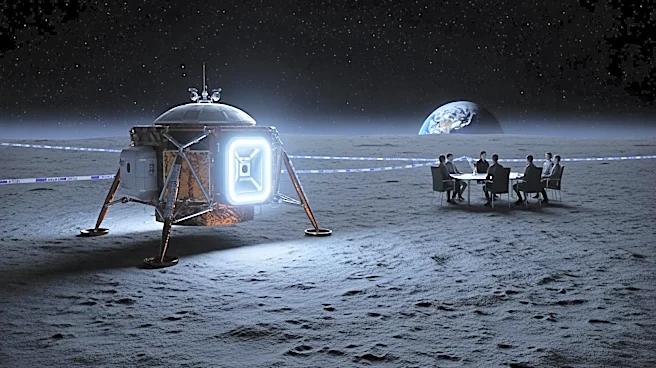
NASA is advancing its Artemis program with plans to establish a Moon Base near the lunar South Pole. This initiative aims to create a sustainable human presence on the Moon, leveraging international collaboration across space agencies, industry, and academia.
The lunar South Pole was chosen for its scientific value and resource availability, despite its challenging environment. The region's rugged terrain, extreme temperatures, and long periods of darkness present significant obstacles. NASA's efforts include developing advanced technologies and infrastructure to support long-duration human exploration in this harsh environment.
Why It's Important?
The development of a Moon Base at the lunar South Pole represents a pivotal moment in space exploration, marking a shift from short-term missions to sustainable human presence beyond Earth. This endeavor could unlock new scientific discoveries and provide insights into the Moon's resources, potentially supporting future missions to Mars and beyond. The Artemis program's success could also enhance international cooperation in space exploration, fostering partnerships that extend beyond geopolitical boundaries. Additionally, the technological advancements required for this mission could have broader applications, driving innovation in various sectors.
Beyond the Headlines
Establishing a Moon Base involves addressing numerous challenges, including the development of life-support systems capable of withstanding extreme conditions. The mission also raises ethical considerations regarding the preservation of lunar environments and the potential impact of human activities. As NASA and its partners work towards this goal, they must balance exploration with environmental stewardship, ensuring that the Moon's unique features are protected for future generations. The Artemis program's focus on sustainability could set a precedent for responsible exploration practices in space.