




What's Happening?
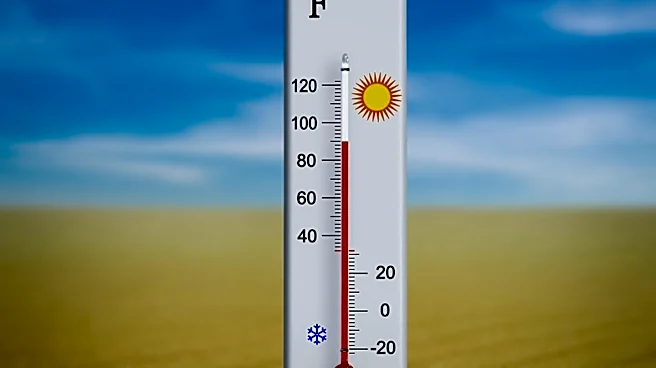
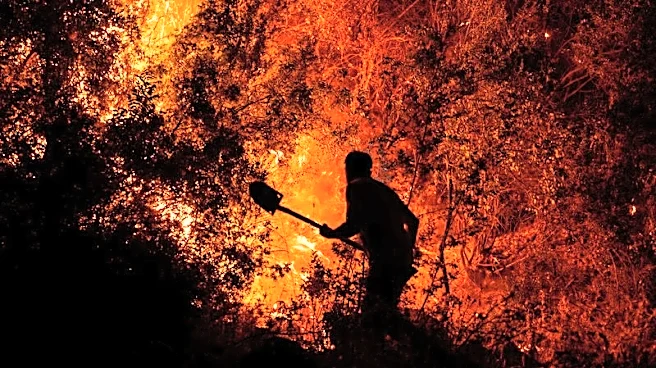
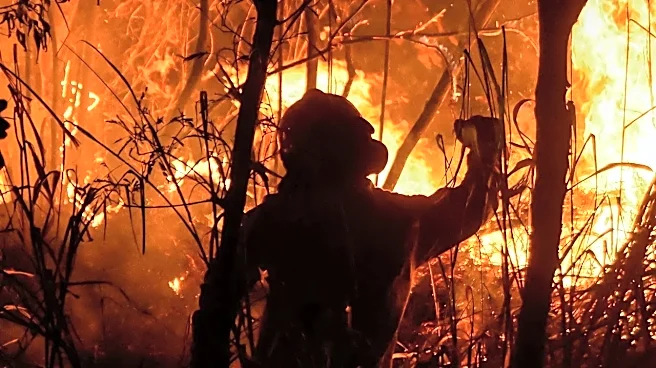
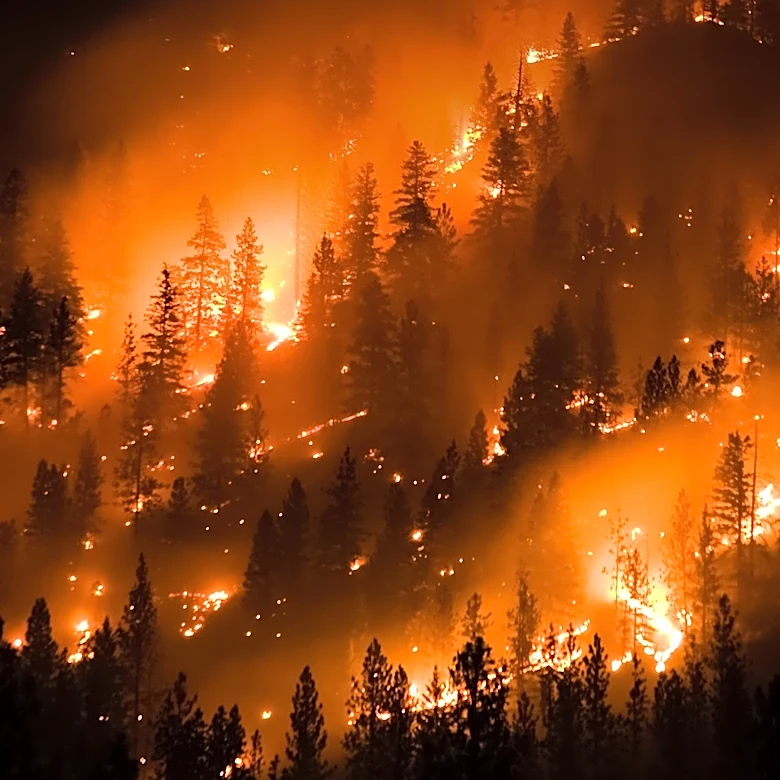
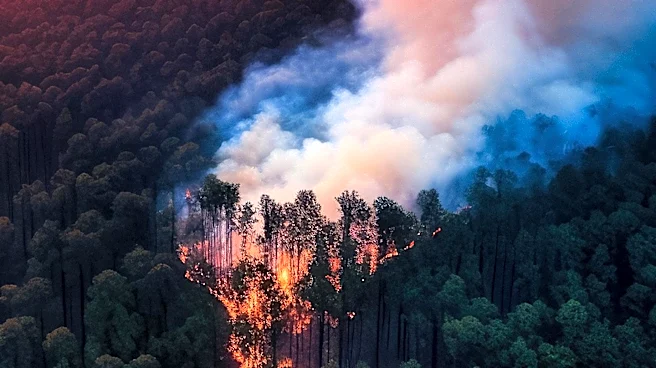
Western Europe has experienced its hottest June and July on record, with average temperatures reaching 21.62°C, surpassing previous records. This extreme heat has been accompanied by drought and wildfires, significantly impacting the region. The Copernicus
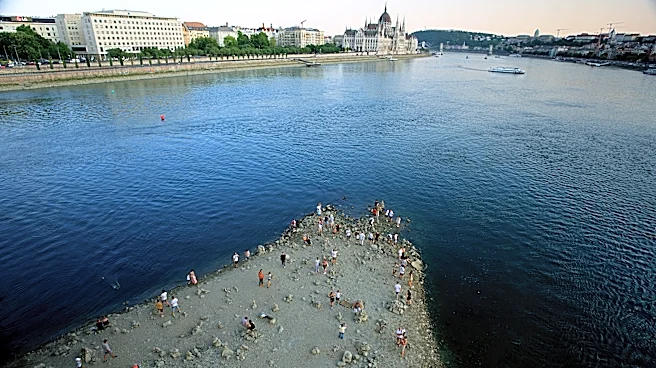
Climate Change Service attributes these conditions to climate change, highlighting the persistent heat and low soil moisture levels. The situation has affected river flows, transport, irrigation, and energy production across several European countries, including France, Spain, and the UK.
Why It's Important?
The record-breaking temperatures in Western Europe serve as a stark reminder of the accelerating impacts of climate change. These conditions not only disrupt daily life but also pose significant challenges to agriculture, water supply, and energy infrastructure. The increased frequency of extreme weather events could lead to economic losses and necessitate urgent policy responses to mitigate climate impacts. This situation underscores the need for global cooperation in addressing climate change and investing in sustainable practices to protect vulnerable regions.
What's Next?
As climate change continues to drive extreme weather patterns, European countries may need to implement more robust climate adaptation strategies. This could involve investing in infrastructure to withstand heatwaves and droughts, as well as enhancing emergency response systems for wildfires. Additionally, international efforts to reduce greenhouse gas emissions will be crucial in preventing further temperature increases. The situation in Western Europe may prompt other regions to reassess their climate policies and preparedness for similar events.