



What's Happening?
Apprenticeships in the U.S. are expanding beyond traditional trades like construction to include fields such as healthcare, artificial intelligence, and advanced manufacturing. This shift is supported by federal initiatives and grants aimed at diversifying
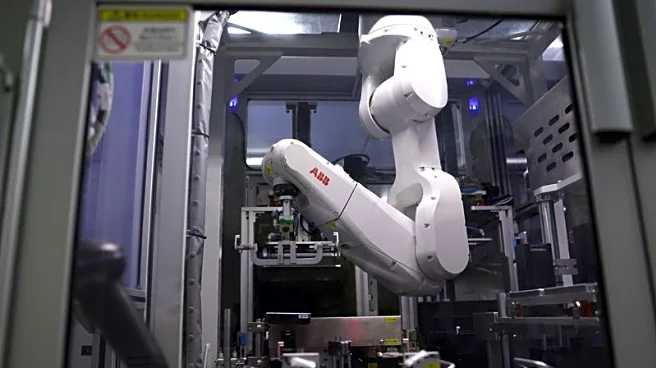
apprenticeship pathways. Programs like the one at Truckee Meadows Community College, which partners with Tesla, exemplify this trend by training apprentices in advanced manufacturing skills. The diversification of apprenticeships is also reflected in the increasing participation of women and minorities, with significant growth in nontraditional fields. These programs offer participants the opportunity to earn while they learn, providing a viable alternative to traditional college education.
Why It's Important?
The expansion of apprenticeships into high-tech and healthcare sectors addresses critical workforce shortages and provides new pathways for skill development. This evolution is crucial for meeting the demands of rapidly growing industries and for providing equitable access to high-paying jobs. By integrating apprenticeships into these sectors, the U.S. can enhance its workforce development strategy, potentially reducing unemployment and underemployment. The shift also challenges stereotypes about apprenticeships, making them more appealing to a diverse range of participants and helping to close gender and racial gaps in these fields.
What's Next?
As apprenticeships continue to diversify, educational institutions and employers will need to collaborate closely to design programs that meet industry needs. The success of these programs could lead to increased federal support and funding, further expanding opportunities. Additionally, the integration of apprenticeships into more sectors may prompt a reevaluation of traditional education models, potentially leading to broader acceptance of apprenticeships as a legitimate and valuable form of postsecondary education.