
What's Happening?
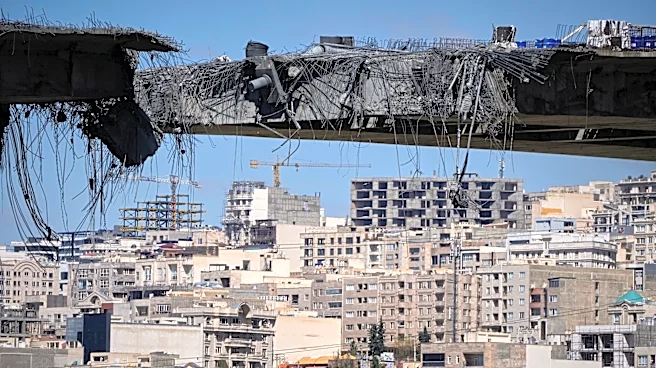
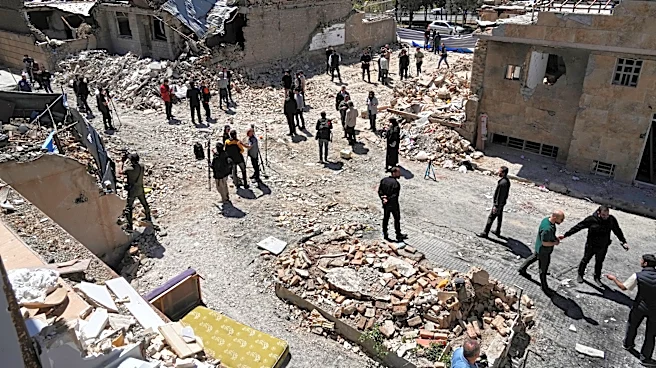
In Lebanon, over 50 medics have reportedly been killed by Israeli airstrikes during the ongoing conflict, raising allegations of targeted attacks against healthcare workers. The Lebanese government and
human rights organizations claim that these incidents are part of a pattern of targeting first responders, a charge that Israel denies. The Israeli military states that any casualties among medics were unintentional, asserting that they were unaware of the presence of Red Cross personnel during the strikes. The Lebanese Red Cross has been following protocols to notify Israel of their coordinates through United Nations peacekeepers, yet incidents like the death of volunteer paramedic Youssef Assaf continue to occur. Human rights groups, including Human Rights Watch and Amnesty International, have criticized these actions, labeling them as potential war crimes and calling for accountability.
Why It's Important?
The deaths of medics in conflict zones highlight the severe risks faced by healthcare workers and the potential violations of international humanitarian law. These incidents could exacerbate tensions between Lebanon and Israel, complicating diplomatic relations and peace efforts. The targeting of healthcare workers undermines the protection afforded to them under the laws of war, potentially setting a dangerous precedent for future conflicts. The situation also raises concerns about the safety and operational capacity of humanitarian organizations working in conflict zones, which could impact their ability to provide critical services to affected populations.
What's Next?
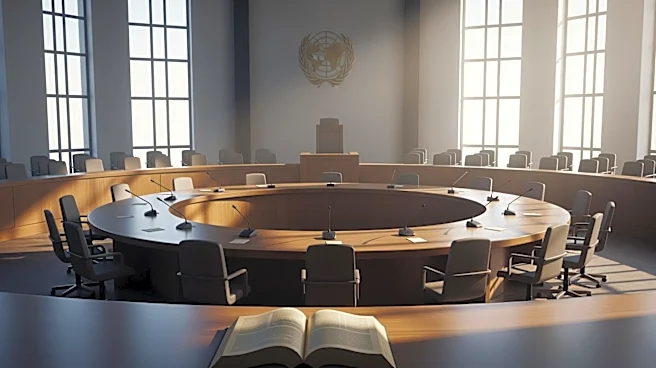
Lebanon's government is reportedly preparing to file a complaint with the U.N. Security Council, seeking international intervention and accountability for the attacks on medics. Human rights organizations are likely to continue their investigations and advocacy efforts to ensure that such incidents are addressed and that protections for healthcare workers are reinforced. The international community may face increased pressure to mediate and address the broader conflict dynamics between Lebanon and Israel to prevent further escalation and civilian casualties.
Beyond the Headlines
The ongoing conflict and the targeting of medics could have long-term implications for the region's stability and humanitarian landscape. The erosion of trust in international protocols and protections for healthcare workers may deter future humanitarian efforts and complicate peacebuilding initiatives. Additionally, the conflict's impact on healthcare infrastructure could have lasting effects on public health and access to medical services in Lebanon, further straining an already fragile system.