






What's Happening?
Catholic Health Long Island has provided comprehensive guidance on at-home relief and stretching exercises for individuals suffering from plantar fasciitis. The information emphasizes that most cases of plantar fasciitis can improve without surgical intervention
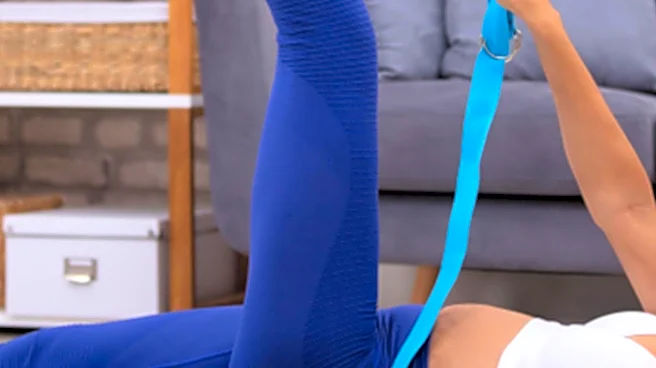
through simple lifestyle adjustments and consistent stretching. Key recommendations include giving feet a break from high-impact activities, icing the heel, switching to supportive footwear, and using shoe inserts. Specific stretches highlighted are the towel stretch, wall calf stretch, toe stretch, and ball roll, all designed to loosen tight tissue in the foot and calf. Dr. Moustafa, a specialist, notes that consistent stretching and strengthening, along with supportive footwear, are foundational to treatment, with recovery often taking several months.
Why It's Important?
This detailed guidance from Catholic Health Long Island is crucial for public health, particularly given the prevalence of plantar fasciitis. By offering accessible, at-home solutions, it empowers individuals to manage their condition proactively, potentially reducing the need for more invasive medical interventions. The emphasis on early intervention and consistent self-care can significantly improve quality of life for those affected, preventing chronic pain and its associated limitations on daily activities. Furthermore, by educating the public on risk factors and preventative measures, the information can help reduce the incidence of plantar fasciitis, thereby lessening the burden on healthcare systems. The advice also underscores the importance of proper footwear and gradual activity increases, promoting healthier foot care habits.
What's Next?
Individuals experiencing heel pain consistent with plantar fasciitis are encouraged to implement the recommended at-home relief and stretching routines immediately. This includes performing specific stretches two to three times daily, especially before the first steps in the morning, and making lifestyle adjustments such as wearing supportive shoes and icing the affected area. If pain persists despite several months of consistent home care, or if symptoms like inability to bear weight, pain after injury, numbness, tingling, or swelling occur, individuals should seek evaluation from a podiatrist or orthopedic specialist. These specialists can then recommend further treatments, including physical therapy, night splints, custom orthotics, shockwave therapy, or, in rare cases, surgery.
Beyond the Headlines
The detailed advice on plantar fasciitis from Catholic Health Long Island highlights a broader shift in healthcare towards patient empowerment and self-management of chronic conditions. By providing clear, actionable steps for at-home care, it acknowledges the significant role individuals play in their own recovery and well-being. This approach also subtly addresses the economic implications of healthcare, as effective self-care can reduce the frequency and cost of professional medical visits. Culturally, it reinforces the value of preventative health and the importance of listening to one's body. The emphasis on consistent, gentle stretching over aggressive methods also reflects a more holistic understanding of physical therapy, prioritizing long-term tissue health and functional recovery.