




What's Happening?
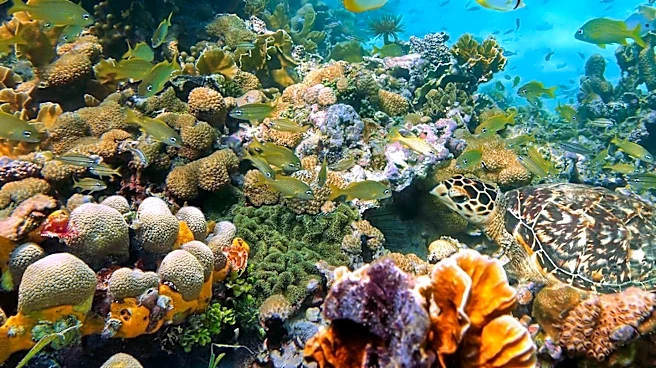
The ongoing Super El Niño is expected to significantly alter marine life along the California coast, potentially bringing tropical and subtropical species into the region. Oceanographers predict that the unusually warm Pacific waters could lead to sightings
of species like the yellow-bellied sea snake and hammerhead sharks, which are typically found in warmer climates. This phenomenon is part of a broader reshuffling of marine ecosystems as the El Niño event progresses, with potential impacts on local biodiversity and marine activities.
Why It's Important?
The arrival of tropical species in California waters could have ecological and economic implications. Changes in marine biodiversity may affect local fisheries, tourism, and recreational activities, as well as pose challenges for marine conservation efforts. The presence of venomous sea snakes and other unusual species could also raise safety concerns for beachgoers and marine enthusiasts. Understanding and monitoring these changes are crucial for managing the potential impacts on the region's marine environment and economy.
What's Next?
As the Super El Niño continues, scientists and environmental agencies will closely monitor the changes in marine life and their effects on local ecosystems. Efforts to educate the public about potential risks and safety measures will be important, especially in coastal communities. The situation may also prompt discussions on climate change and its role in altering marine environments, highlighting the need for adaptive management strategies to address these challenges.